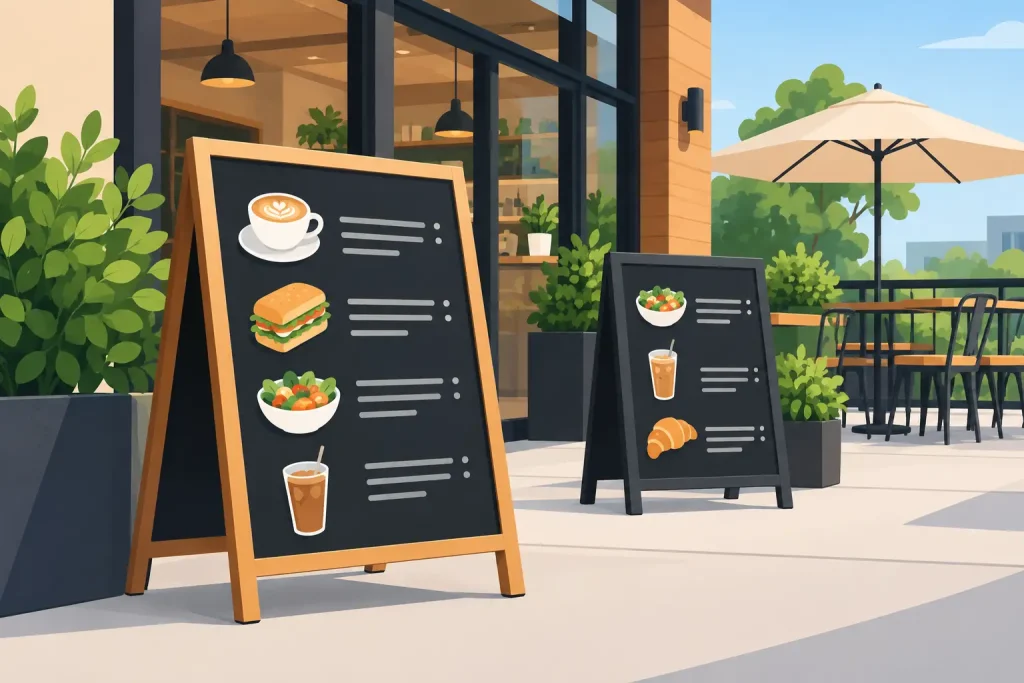
A retail promotion can fail before a customer reaches the product. A price card that cannot be read from the aisle, a faded window graphic, or a display stand placed in the wrong location all reduce the value of the campaign. The future of retail signage is not simply more screens. It is a more deliberate mix of printed graphics, reusable hardware, illuminated displays, and production methods selected for the real conditions of each store.
For retail operators, marketing teams, and procurement buyers, the useful question is not whether physical signage will disappear. It is which formats will make campaigns easier to deploy, easier to update, and more visible at the point where buying decisions happen.
The Future of Retail Signage Is Hybrid
Digital displays have a clear role in stores with frequent price changes, rotating content, or large product ranges. They can show motion, schedules, and multiple messages without replacing a graphic panel. But they also require power, content management, installation planning, and maintenance. They are not the best answer for every aisle, promotion, or branch location.
Printed signage remains practical because it is fast to produce, easy to place, and available in many sizes and materials. Window stickers, hanging banners, shelf talkers, floor graphics, posters, counter displays, and roll-up stands still do work that a screen may not justify. They are especially effective for short campaigns, new product launches, seasonal promotions, and stores where electrical access is limited.
The stronger retail setup uses both. An LED light frame can carry a high-impact permanent campaign image at the storefront or feature wall. Printed PVC banners, PP white posters, and sticker graphics can support the same promotion through the entrance, aisles, checkout counter, and product display. Each format has a job rather than competing for the same job.
Store Buyers Will Prioritize Flexible Display Hardware
Retail campaigns change more often than store fixtures do. That is why reusable hardware is becoming more valuable. Instead of replacing a full display every time artwork changes, buyers can retain the frame, stand, or fabric structure and replace only the printed graphic.
Roll-up stands are a direct example. They are useful for store entrances, mall activations, temporary counters, and product demonstrations because they pack down for storage and move between locations. Popup displays offer a larger visual area for launch zones or photo backdrops. Beach flags can direct traffic outside a storefront or at a roadside promotion, where permitted.
For in-store use, aluminum frames, wooden frames, KT board stands, and counter displays give teams different ways to present price messaging, product education, or campaign visuals. The right choice depends on how long the display will remain in place, how often it will move, and how likely customers are to touch it.
A lightweight temporary stand is efficient for a two-week sale. A more substantial frame makes more sense for a long-running brand message or a premium retail environment. Buying the cheapest option without considering reuse often increases replacement costs later.
Replaceable Graphics Reduce Campaign Waste
Retailers are under pressure to reduce avoidable material waste, but this does not mean every sign must be digital. A practical approach is to separate reusable hardware from campaign-specific graphics. Keep the roll-up cassette, light frame, fabric structure, or poster frame. Update the visual panel when the offer, price, season, or product range changes.
This approach also helps multi-location campaigns. A central marketing team can maintain consistent artwork while adjusting store-level details such as opening dates, unit numbers, local offers, or language requirements. Print files should be prepared with these variables in mind before production begins.
Print Method Will Matter More Than Buyers Expect
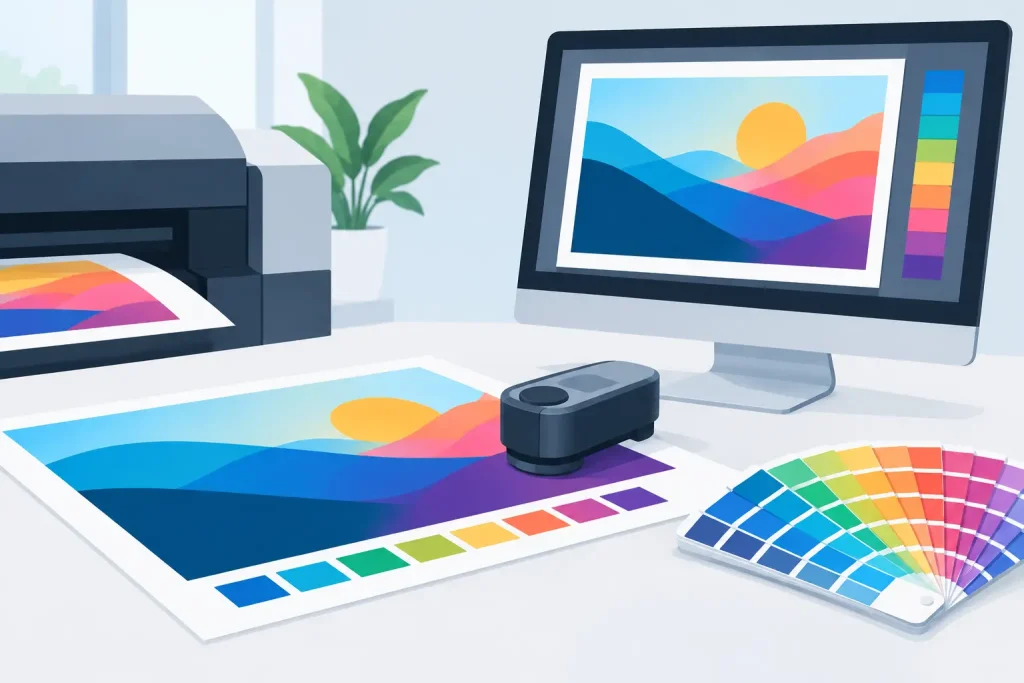
The print method affects color, durability, finish, outdoor performance, and the materials available. It should be selected based on the signage application, not only on the lowest unit price.
Eco-solvent and solvent printing are commonly used for durable graphics such as banners, vinyl applications, and outdoor-facing promotions. They suit retail window graphics, directional signs, and event materials that may face handling or changing weather conditions. The final choice depends on the substrate, expected display period, and required finish.
UV printing is useful when a sharp, high-impact result is required on compatible rigid or specialty materials. It can be a suitable option for display boards, promotional panels, and applications where print detail and surface appearance are priorities. Latex printing can be a practical choice for many indoor graphic applications, particularly where fast turnaround and a broad range of media are needed.
Dye sublimation is often selected for fabric graphics. Fabric can be a strong fit for tension displays, exhibition backdrops, and premium retail installations because it is lightweight, can be folded for transport, and avoids the glare sometimes seen on glossy media.
There is no universal best method. A short-term window campaign, a fabric lightbox graphic, and a rigid point-of-sale panel should not automatically be produced the same way. Buyers who specify the environment and display format early will receive a more suitable recommendation and avoid reprinting work that was never designed for its location.
Materials Must Match Viewing Distance and Handling
Retail signage is often judged by a close-up photo, but customers do not always see it that way. A storefront graphic may need to work from across a parking area. A shelf label must work from arm’s length. A counter card needs to remain clear while customers stand in line.
Viewing distance should influence font size, contrast, image resolution, and material selection. Fine text can look clean on a screen and become ineffective once installed three meters away. A heavily detailed design may also lose impact when it competes with product packaging, overhead lights, and other promotions.
Specialty sticker materials have a growing role because they can create a more intentional finish without changing the entire store fixture. Transparent stickers work well where the background should remain visible, such as glass partitions or product windows. Matt silver, hologram, synthetic, and Mirrorkote materials can help differentiate packaging labels, limited-edition graphics, and smaller branded touchpoints.
The material must still suit the surface. Glass, painted walls, textured boards, plastic panels, and temporary barricades each have different adhesion and finishing requirements. A graphic that looks right in a proof can fail if the surface has not been considered.
Retail Signage Will Be Planned as a System
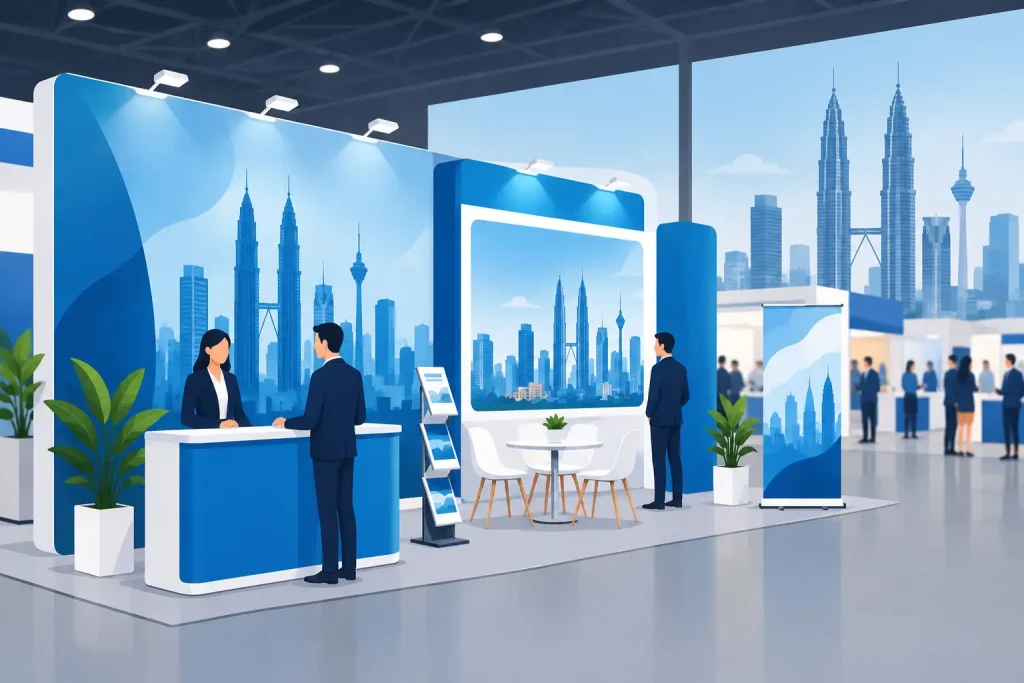
The next stage of retail signage is less about a single large sign and more about message consistency across the customer journey. A promotion should be recognizable from the exterior, at the entrance, near the category, beside the product, and at checkout. The message does not need to be repeated word for word, but the offer, colors, and visual hierarchy should stay consistent.
For a new store opening, this may include barricade displays before launch, window graphics during opening week, roll-up stands at entry points, counter signage for membership or payment offers, and LED light frames for permanent brand visibility. For a seasonal campaign, it may be a smaller set of posters, shelf graphics, floor decals, and a feature display.
This system-based approach prevents a common problem: ordering individual items at different times from different sources and discovering that colors, sizes, and finishes do not match. Sourcing display hardware, graphic output, finishing, and mounting from one production partner can simplify approvals and reduce coordination work. My Inkjet supports this type of requirement by supplying both commercial display formats and the printed graphics used with them.
Design for Operations, Not Just Approval
A sign that looks good in a marketing presentation still needs to be installed, cleaned, moved, stored, and replaced. Retail operations teams should be involved before final artwork is sent to print. They can identify issues such as narrow aisles, low ceilings, glass doors that open inward, high-touch areas, cleaning routines, or locations with no nearby power.
Campaign planning should also include a removal date. Temporary promotions left in place after the offer ends make a store look unmanaged and can create pricing confusion. Labeling graphics by campaign, location, and installation date helps teams remove or replace materials on schedule.
Measure What Physical Signage Is Doing
Not every sign needs advanced analytics, but retail teams should measure whether key signage is performing. This can be as simple as comparing unit sales before and during a promotion, tracking redemptions from a displayed code, reviewing foot traffic near a feature area, or asking store teams which customer questions continue after a new sign is installed.
If customers still ask where a product is located, directional signage may be too small, too high, or too far from the decision point. If a campaign gets attention but does not convert, the offer or product presentation may need work rather than the print itself. Signage is part of the retail environment, not a replacement for stock availability, pricing accuracy, or staff support.
The best next move is to plan every retail campaign around its actual display conditions: the location, viewing distance, campaign duration, surface, lighting, and update frequency. Once those details are clear, the right combination of printed graphics, reusable hardware, and illuminated display formats becomes much easier to specify.
Related Posts