Walk through any trade show hall and the difference is easy to spot. Some graphics look heavy, glossy, and rigid. Others look clean, matte, and high-end, with fabric panels stretched smoothly across frames and lightboxes. That second category is where dye sublimation fabric printing usually stands out. For businesses ordering exhibition backdrops, tension fabric displays, hanging banners, or soft signage, this print method is often the right fit – but not always.
What dye sublimation fabric printing actually is
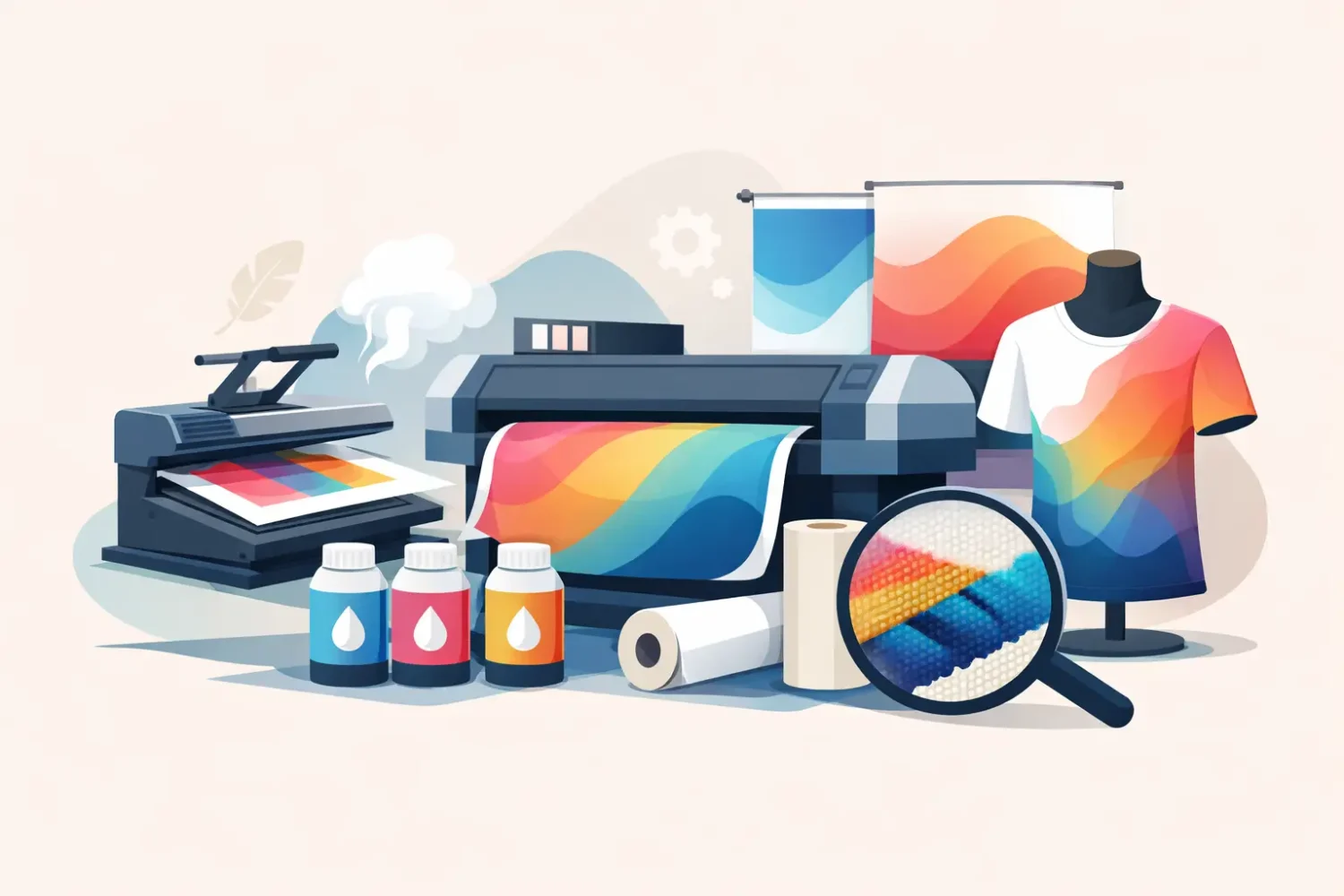
Dye sublimation fabric printing is a process where heat transfers dye into polyester fabric rather than laying ink on top of the surface. The printed result becomes part of the material itself. That changes both the look and the handling of the finished graphic.
In practical terms, this matters because the print stays soft, the fabric remains flexible, and the image does not develop the thick surface feel you get with some other print methods. For display buyers, that usually means better foldability, easier packing, and a more premium textile appearance.
Most commercial applications use polyester-based fabrics because the process depends on how the dye bonds under heat. If a client requests cotton or a non-polyester textile, dye sublimation may not be the correct production route. That is one of the first specification checks worth making before artwork or hardware is approved.
Why businesses choose dye sublimation fabric printing
The main reason is simple: it suits modern display formats. Fabric graphics are widely used for popup walls, stretch frames, SEG lightbox panels, table throws, exhibition backdrops, and retail visual merchandising. These formats need print quality, portability, and clean finishing in one package.
Dye sublimation works well when the graphic has to be shipped, installed, removed, packed, and reused. Fabric can be folded more easily than rigid media, which helps with logistics for roadshows, events, and multi-location campaigns. A marketing team managing repeated setup and teardown usually notices this immediately.
The visual finish is another factor. Fabric tends to reduce glare compared with glossy substrates, which can make branding easier to view under exhibition lighting, store lighting, or event spotlights. For photography-heavy campaigns, that softer surface can improve the overall presentation.
There is also a practical brand consistency advantage. Businesses that source both the display hardware and the printed fabric from one supplier can match frame type, graphic size, finishing method, and intended use more efficiently. That is often more useful than debating print technology in isolation.
How the process works in production
The workflow is fairly direct, but each stage affects the final output. Artwork is prepared at the correct scale and color profile, then printed onto transfer paper or directly onto coated polyester fabric depending on the production setup. Heat and pressure are then used to drive the dye into the fabric.
Once transferred, the graphic is finished according to the display format. That could mean sewing silicone edges for SEG light frames, adding pole pockets for hanging banners, hemming large backdrops, or trimming panels for stretch-fit systems.
This is why print method and product format should be discussed together. A fabric panel for an LED light frame needs different finishing from a draped event backdrop. The file may look similar on screen, but production requirements are not.
Where dye sublimation fabric printing fits best
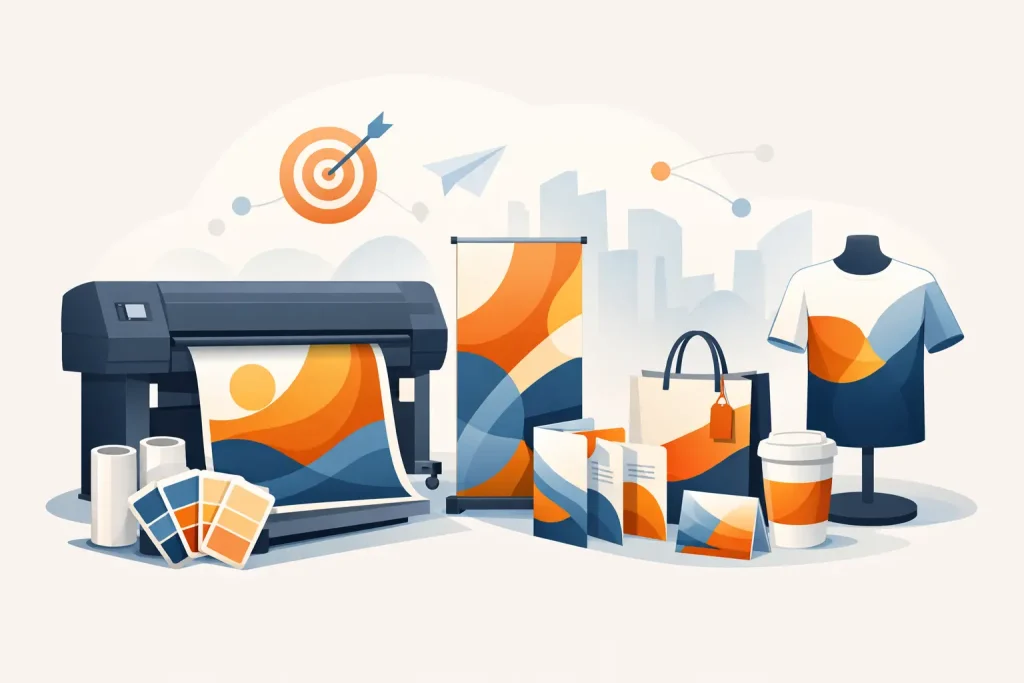
Soft signage is the obvious use case, but it helps to be specific. This method is commonly selected for exhibition walls, branded backdrops, retail window graphics on fabric systems, lightbox visuals, hanging signs, stage graphics, and portable display kits. It also suits promotional environments where setup speed and repeated transport matter.
For event organizers, the packing advantage is significant. Fabric graphics can usually be folded and moved with less bulk than rigid printed boards. For retail operators, the benefit is often visual – cleaner presentation, easier seasonal graphic swaps, and compatibility with frame-based display systems.
For procurement teams, one more detail matters: replacement cycles. If a business already owns the hardware, only the printed fabric skin may need to be changed for the next campaign. That can simplify updates across promotions, launches, and branded environments.
Strengths and limitations to know before ordering
Dye sublimation fabric printing has clear strengths, but it is not the automatic answer for every job. The strongest advantage is the combination of color vibrancy, soft material feel, and portability. It performs well for large-format branding that needs to look polished without becoming difficult to ship or install.
Another advantage is how well it supports premium display systems. Tension fabric frames, pillowcase backdrops, fitted counters, and illuminated fabric displays are built around this kind of output. If the finished product is meant to look streamlined and modern, fabric often supports that goal better than rigid board or vinyl.
The trade-off is material dependency. Because the process works best on polyester, substrate choice is narrower than with some other print methods. Fabric can also crease if packed poorly, and while many wrinkles relax after installation, that depends on the product type and handling. Businesses expecting a perfectly flat graphic straight out of the bag should account for this.
Another point is application environment. If a graphic needs extreme abrasion resistance on a hard-wearing surface, or if it must be mounted as a rigid panel, a different production method may be more appropriate. The right question is not whether fabric is better. It is whether fabric is better for that installation.
Comparing it with other print methods
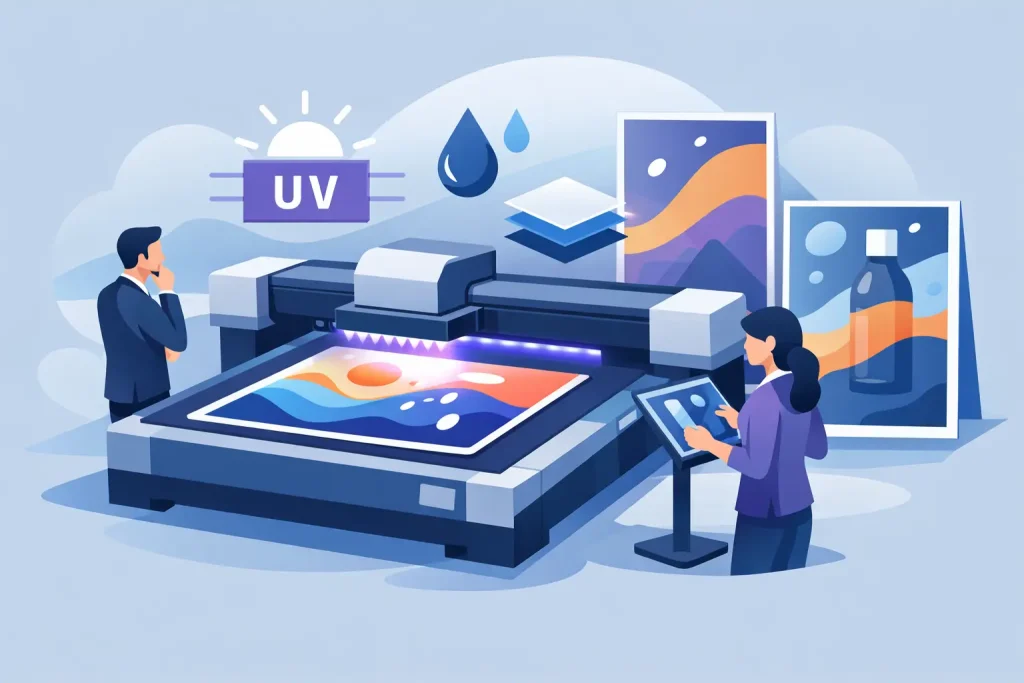
For buyers used to solvent, UV, latex, or sticker-based graphics, dye sublimation can feel like a different category because it usually serves different end products. Solvent and eco-solvent are often selected for banners, adhesive media, and outdoor signage where flexibility and media range are priorities. UV is useful when printing onto rigid materials or specialized surfaces. Latex is often chosen for versatile indoor and outdoor graphic work.
Dye sublimation fabric printing is strongest when the end result is a textile display graphic rather than a board, sticker, or standard PVC banner. That distinction matters. If the job is a beach flag, SEG panel, fabric popup, or exhibition backdrop, sublimation is often the more natural option. If the job is a rigid sign panel, wall sticker, or mounted point-of-sale board, another print route may make more sense.
This is where a product-first supplier can be more useful than a print-only conversation. The hardware format usually tells you which production method should lead.
What to check before approving a fabric print job
The most common issues are avoidable. First, confirm the display system and final finished size. Fabric graphics are often made to fit specific frames with stretch, tension, or sewn edges, so small dimension errors create installation problems quickly.
Second, review artwork with viewing distance in mind. Large backdrops and hanging signs do not need the same design treatment as close-range counter graphics. Oversized text, clear contrast, and simpler layouts often perform better in event spaces.
Third, check lighting conditions. Fabric can look excellent under exhibition and retail lighting, especially in backlit applications, but artwork may need adjustment depending on whether the graphic is front-lit or illuminated from behind.
Finally, ask about finishing, packing, and reuse. A one-time event backdrop and a traveling display kit may use the same printing process, yet need different handling expectations. If the graphic will move between locations such as Kuala Lumpur, Johor Bahru, and Penang for repeated activations, transport and storage become part of the production decision.
Why it remains a strong option for commercial displays
The market has shifted toward display systems that are easier to ship, easier to update, and cleaner in appearance. Fabric graphics fit that shift. They work well with modern frames, branded environments, and event hardware that businesses already use across exhibitions, retail promotions, and campaign rollouts.
For buyers who need consistency across counters, backwalls, light frames, flags, and other display hardware, dye sublimation fabric printing offers a practical route to a coordinated result. It is not the right answer for every substrate, but when the application calls for soft signage, it solves several problems at once – print quality, portability, and presentation.
If the goal is a display graphic that travels well, installs cleanly, and looks current on the show floor or in-store, fabric is usually worth specifying early rather than treating it as a last-minute material choice.
Related Posts