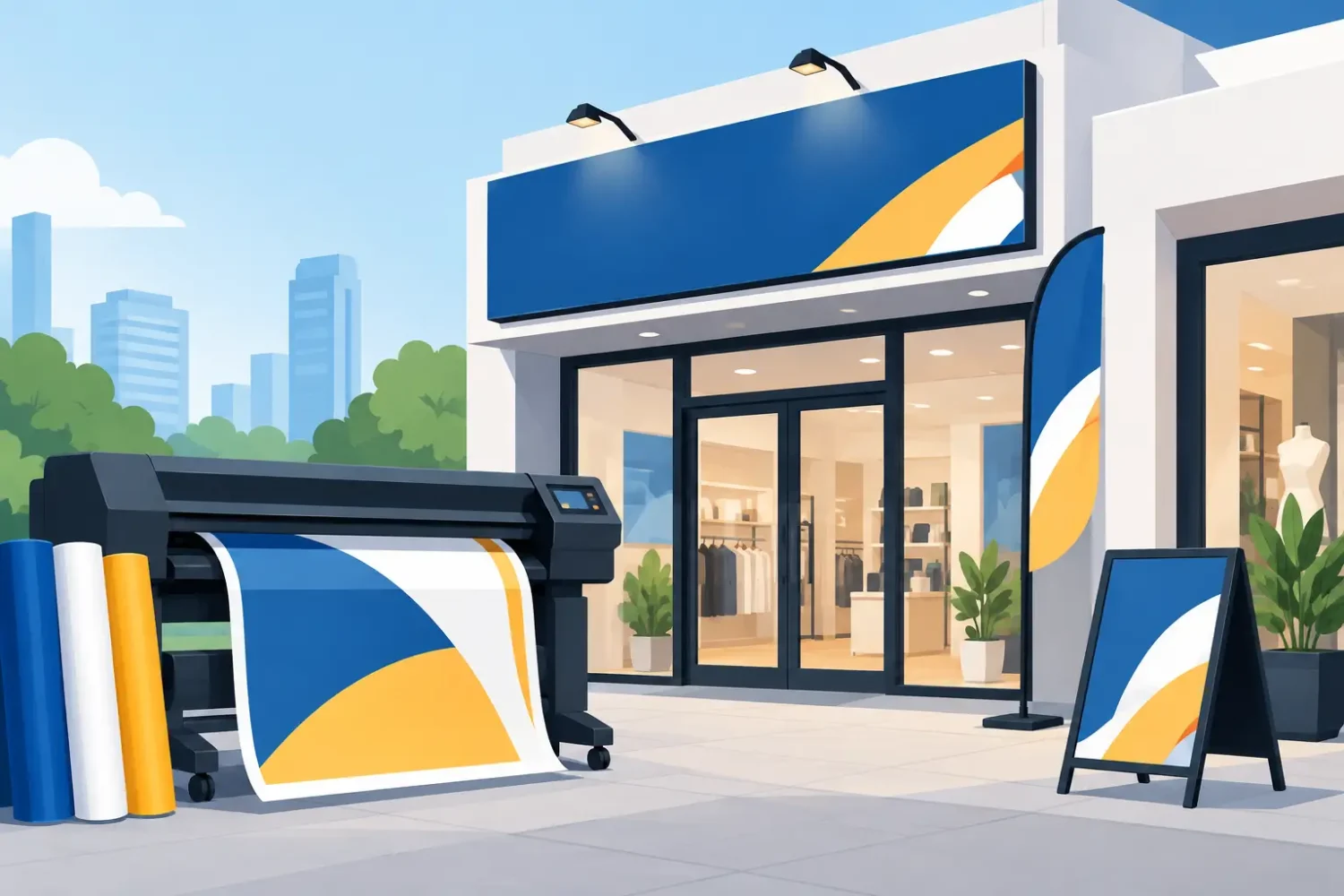
A retail promotion can fail before a customer reads a single price if the visual message is hard to see, poorly mounted, or printed on the wrong material. Retail signage printing Subang Jaya is not one product category. It covers storefront graphics, point-of-sale posters, window stickers, hanging signs, shelf messaging, light boxes, and portable displays that need to work under real retail conditions.
For store operators, marketing teams, and campaign buyers, the practical question is not simply what to print. It is where the sign will sit, how long it must last, how customers will see it, and whether the graphic needs a display structure as well as print output. Getting those details right reduces reprints, installation delays, and signage that looks acceptable on screen but weak on the sales floor.
Retail Signage Printing Subang Jaya: Start With Placement
Placement determines the format, material, and finishing method. A window graphic faces different conditions from a counter sign, while a mall atrium promotion needs a different solution from a shelf-level offer.
Storefront and window areas need high visibility from a distance. Large-format vinyl graphics, transparent stickers, PP white stickers, or one-way vision-style window applications may be suitable depending on the surface and desired privacy. A bold campaign message with limited copy usually performs better here than a detailed product list. Window signage must also account for reflections, sunlight, glass tint, and viewing direction.
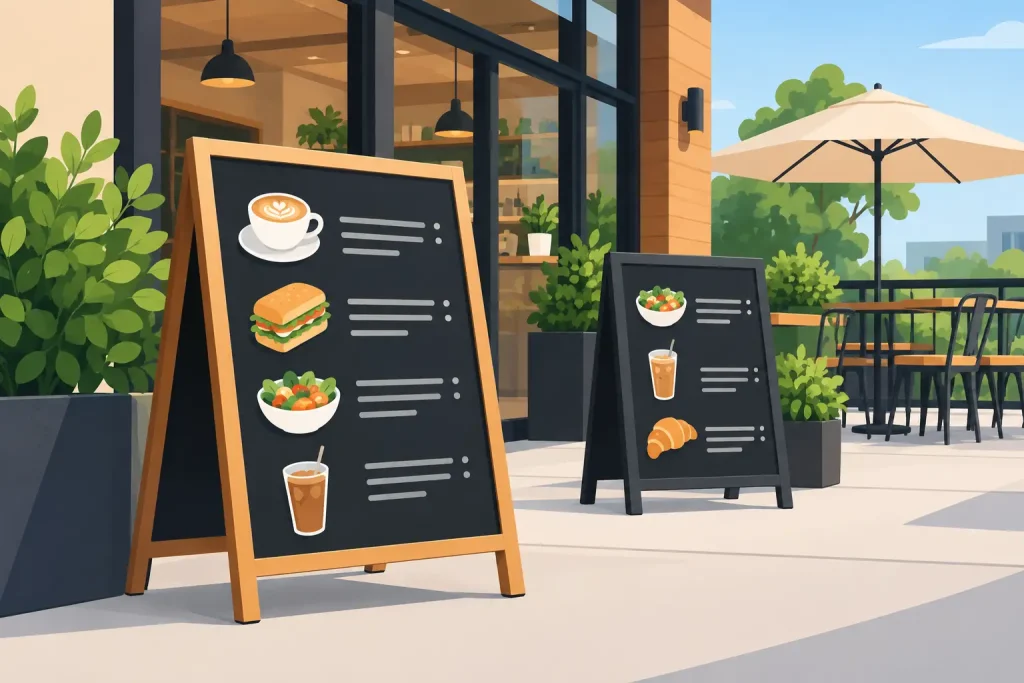
Inside the store, the customer is closer to the message. Posters mounted on KT board, PVC panels, or framed systems can present prices, product benefits, and campaign mechanics clearly. For short promotional periods, roll-up stands, A-frame style displays, and printed counters can be moved as traffic patterns change. These formats are useful for new product launches, sampling areas, clearance events, and weekend activations.
Ceiling-hung, barricade, or freestanding displays are more appropriate when the goal is to guide movement through a larger retail space. They need stronger mounting consideration and clear artwork on every customer-facing side. A sign that only works from one angle can leave half the available traffic unaddressed.
Match the Print Material to the Job
Material selection affects appearance, durability, handling, and cost. There is no universal best substrate. A short indoor campaign does not always need the same finish as a long-term outdoor storefront graphic.
PP white is a practical option for smooth promotional graphics, posters, and indoor advertising applications. Synthetic materials are useful where extra tear resistance or moisture tolerance is needed. Mirrorkote can give printed promotional materials a clean, polished surface, while transparent stickers are intended for glass or clear packaging applications where the background needs to remain visible.
Matt silver and hologram stickers serve more specialized branding needs. Matt silver provides a metallic-looking base for labels, packaging, and product identification. Hologram materials can support attention-grabbing promotional pieces or authenticity-oriented applications, but they should be used with purpose. Fine text and small logos can become harder to read when the background is highly reflective.
For rigid presentation, mounted graphics on KT board are common for temporary store messaging, directional signage, and promotional panels. They are lightweight and economical for indoor use, but they are not the right choice for high-moisture locations or areas likely to receive heavy impact. PVC or more durable panel options may be a better fit where the sign needs greater resistance.
Before approving artwork, confirm the intended surface, campaign duration, indoor or outdoor placement, cleaning requirements, and installation method. These basic specifications prevent a material mismatch later.
Choose a Print Method Based on Use Conditions
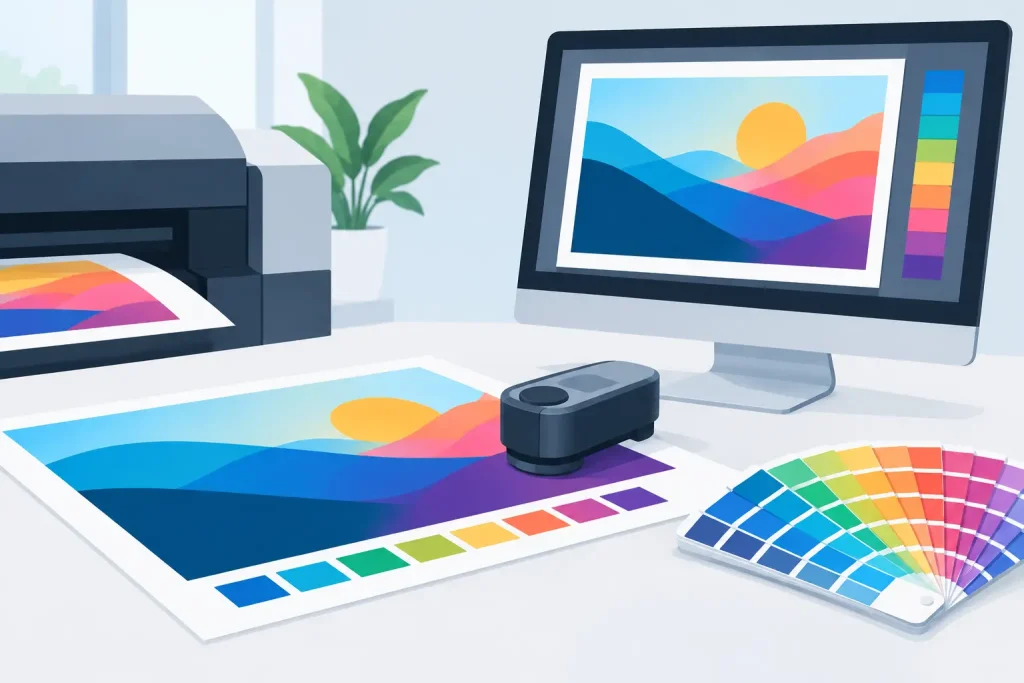
Large-format print production is not only about image resolution. The print method should suit the substrate, expected durability, color requirement, and display environment.
Eco-solvent and solvent printing are commonly selected for vinyl graphics, banners, and signage where durability is a priority. They are practical for storefront applications, outdoor campaign graphics, and promotional surfaces that may face handling or changing weather conditions. The exact choice depends on the media and the required finish.
UV printing is useful for direct printing on selected rigid materials and specialty surfaces. It can support sharp graphics for display boards, panels, and branded retail fixtures. UV output is often considered when the project requires rigid signage rather than a printed graphic that will later be mounted.
Latex printing is suitable for many retail graphics, including wall, window, and indoor display applications. It can be a good option when a campaign requires dependable color output across several graphic types. Dye sublimation is generally more relevant for fabric-based displays, textile backdrops, and selected tension fabric systems.
The practical approach is to specify the finished application first, then select the print method and material that support it. Asking for a print method without defining the final use can lead to unnecessary cost or a less suitable result.
Use Display Hardware Where It Adds Value
Printed graphics need a structure when they must stand independently, travel between locations, or look consistently professional across multiple stores. Buying hardware and printed output together also helps avoid size mismatches between the graphic and the display system.
Roll-up stands remain a standard choice for retail entrances, promotional zones, and in-store announcements because they are portable, self-contained, and quick to set up. They work best with simple messaging and a clear visual hierarchy. A crowded design may technically fit the panel but will not be read by customers walking past.
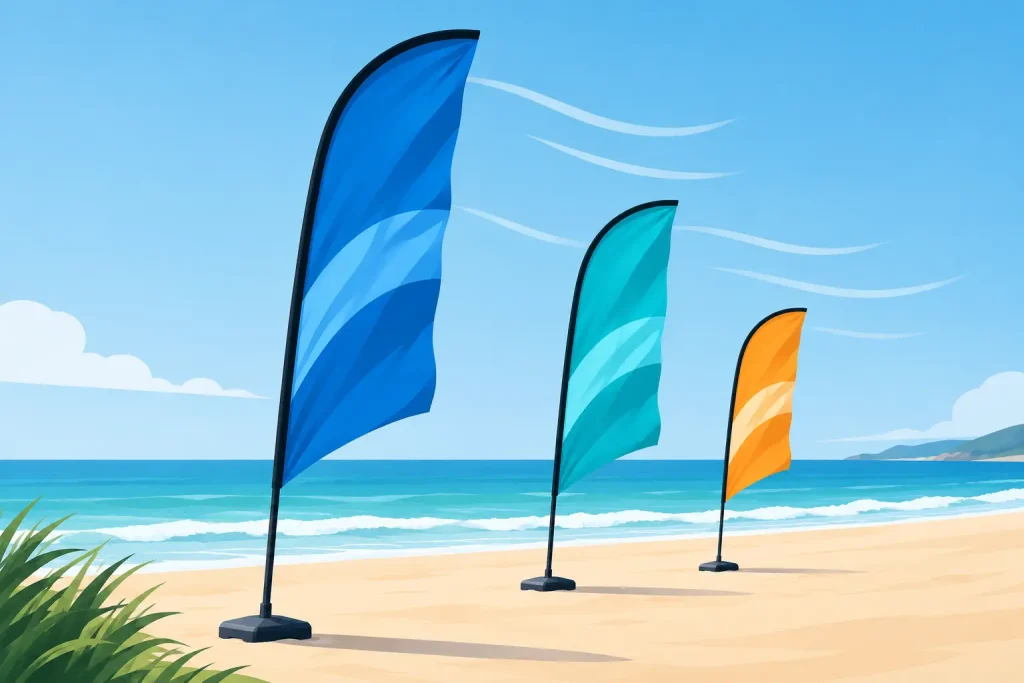
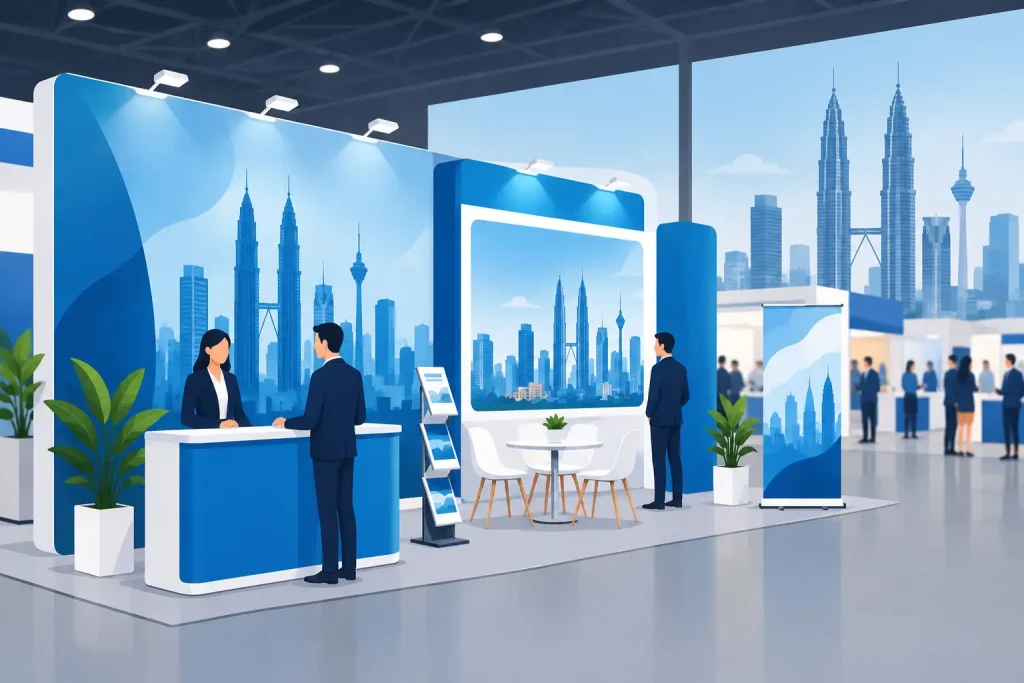
Popup displays and fabric systems are more suitable for larger campaign backdrops, mall events, roadshows, and brand activation areas. Beach flags can extend visibility outside a storefront or around a temporary promotion, provided site rules and weather exposure are considered. Printed counters create an organized point for registration, sampling, product demonstrations, or payment-related promotions.
LED light frames are effective for high-impact visuals in retail locations with low ambient light or competing surrounding signage. They can make product photography and bold campaign graphics stand out, but the artwork must be prepared for backlit viewing. Standard artwork can look washed out once illuminated if density and color treatment are not adjusted.
Wooden and aluminum frames provide more permanent presentation for posters, menus, campaign visuals, and branded wall graphics. The decision comes down to the expected life of the display, the interior design standard, and whether graphics will be changed regularly.
Build Artwork for Fast Customer Decisions
Retail signage is usually read while customers are moving. The design should communicate the offer before the customer reaches the display, then provide supporting detail at close range.
Start with one main message: a discount, new arrival, bundle, limited-time promotion, category direction, or product benefit. Give that message the largest visual priority. Secondary information such as dates, conditions, product sizes, or QR codes can sit lower in the layout, but it must remain readable at its intended viewing distance.
Avoid treating every sign like a brochure. A storefront banner with several product descriptions, multiple prices, and dense terms may be accurate but ineffective. Use short headlines, high-contrast color combinations, recognizable product imagery, and enough blank space to keep the offer clear.
Brand consistency still matters during a fast campaign. Use approved logos, correct brand colors, and the same campaign message across window stickers, roll-up stands, shelf talkers, and counter displays. Customers should recognize that these pieces belong to one promotion, even when they encounter them in different parts of the store.
Plan Production Around the Campaign Schedule
Retail projects often involve more than one sign type. A store opening may require window graphics, directional panels, a promotional counter, product stickers, and a backdrop for launch-day photos. Ordering each item separately can create color variation, conflicting sizes, and delayed installation.
Prepare a simple signage schedule before production. It should identify the display location, finished size, material, hardware requirement, artwork version, quantity, and installation deadline. For multi-branch campaigns, include outlet-specific changes such as local pricing, floor plans, or contact details.
Allow time for artwork checks, sample review when the finish is critical, print production, mounting, and delivery. Short turnaround may be possible for standard formats, but last-minute changes are more expensive when several materials or display structures are involved. Campaign dates, especially sale launches and mall events, are fixed. Signage should be ready before merchandising and staff preparation begin.
My Inkjet can supply large-format graphics alongside roll-up stands, popup displays, counters, LED light frames, stickers, and mounted signage, which helps keep hardware and print output within one production workflow.
The best retail sign is not necessarily the largest or the most elaborate. It is the one that fits the location, carries one clear message, uses the right material, and arrives ready for the campaign floor.
Related Posts