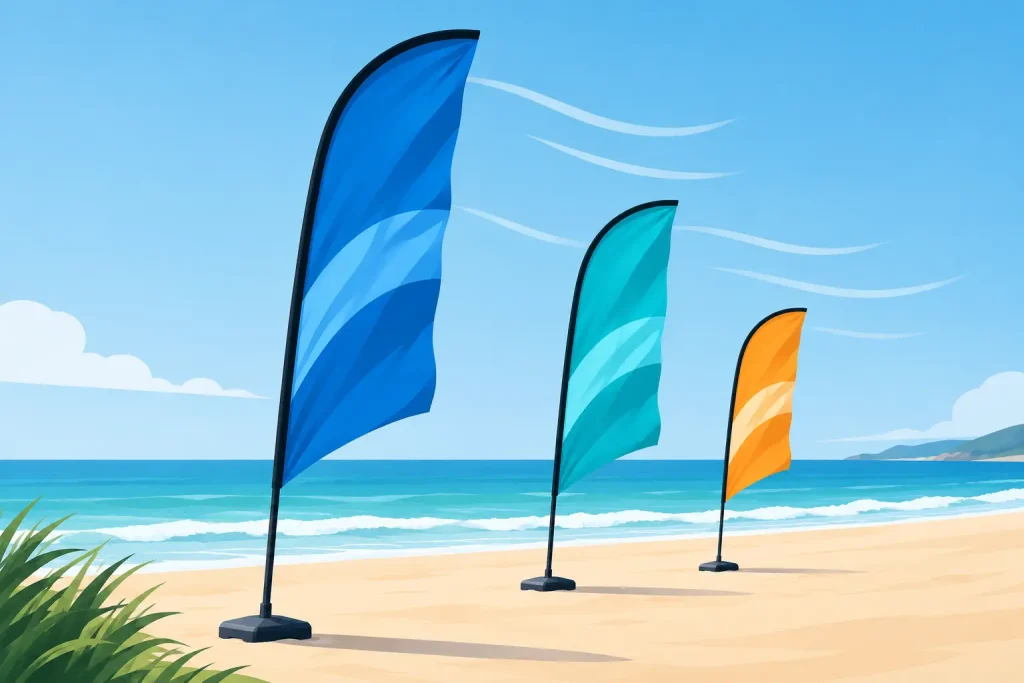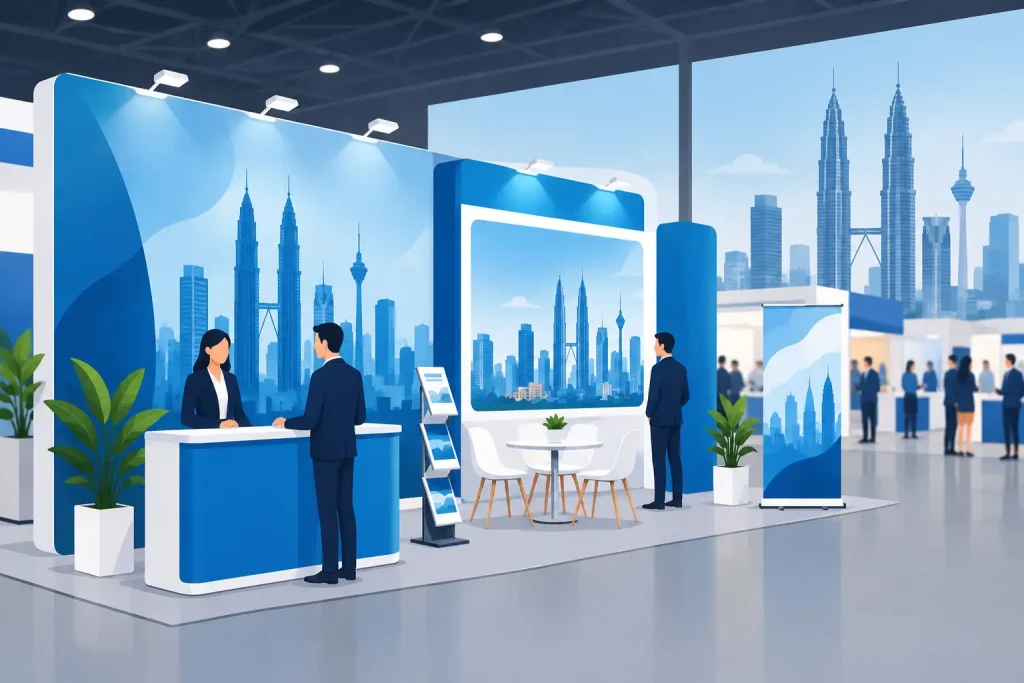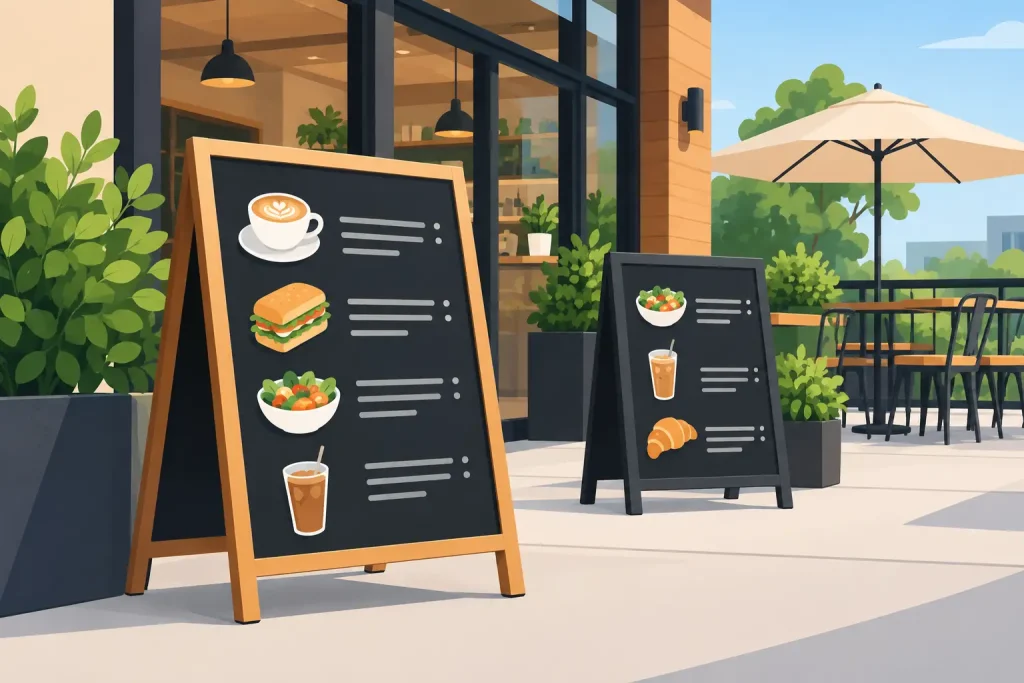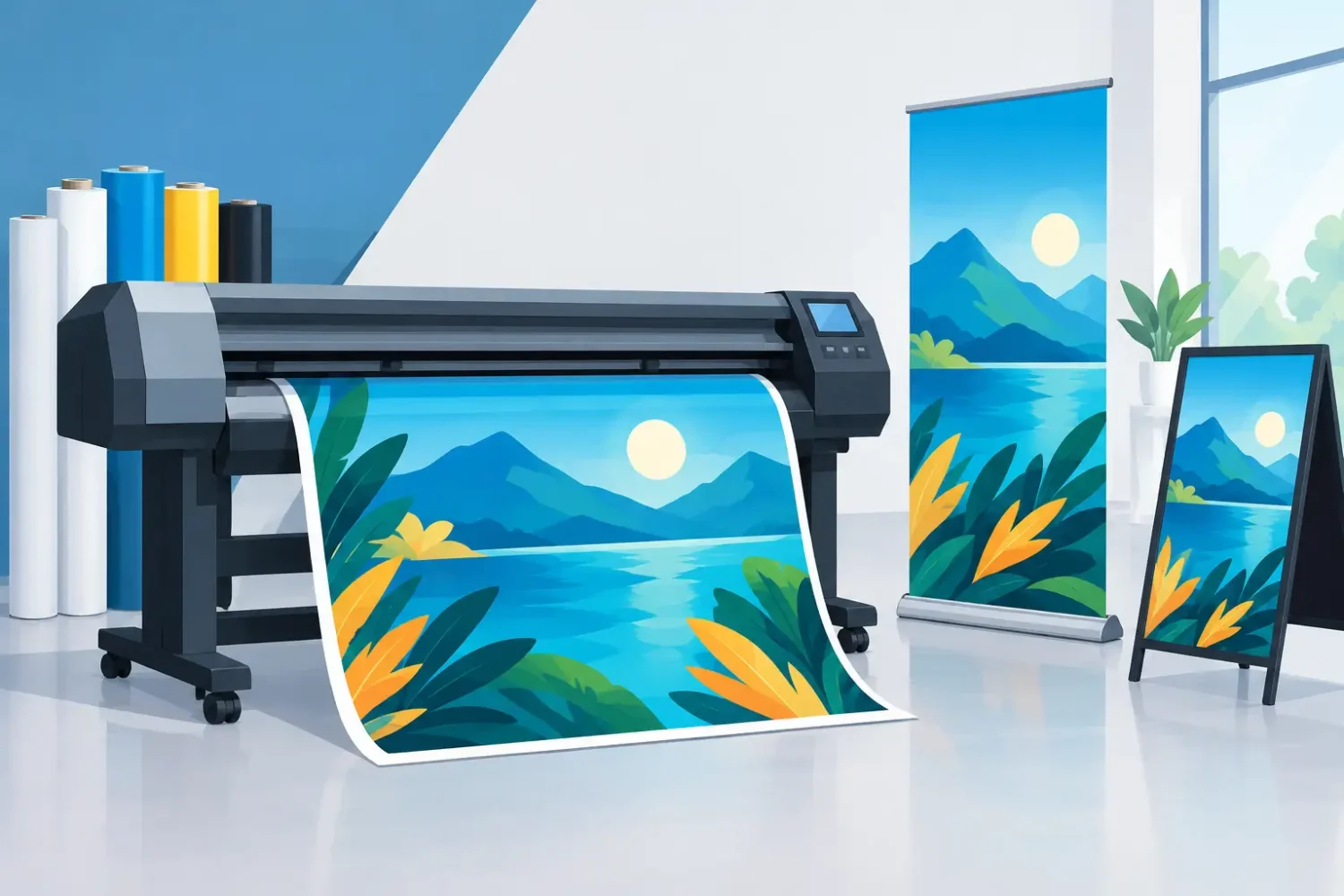
A storefront banner has to stay readable after weeks of sun and rain. A roadshow backdrop has to survive transport, setup, and repeated handling. For these jobs, solvent printing remains a practical production option for vinyl-based graphics that need strong color, outdoor durability, and economical large-format coverage.
The print method is widely used for banners, adhesive vinyl, vehicle graphics, window decals, and outdoor signage. It is not the right answer for every display application, but when the graphic will face weather, abrasion, or frequent handling, solvent ink offers clear advantages. The correct result still depends on the media, finishing, installation surface, and how long the campaign needs to run.
What Solvent Printing Is Used For
Solvent printing uses inks designed to bond effectively with coated PVC and vinyl materials. The ink carrier slightly softens the surface coating of compatible media, allowing pigment to settle into the material rather than sitting only on top. Once cured, the print is suited to commercial graphics that need color stability and practical resistance to outdoor conditions.
This makes solvent print production a common choice for wide-format items such as PVC banners, billboard skins, window graphics, wall decals, stickers, promotional panels, and site signage. It is also useful for printed graphics fitted to display hardware, including roll-up stands, barricade displays, and selected outdoor event structures.
For marketing buyers, the key point is simple: solvent is usually selected because the printed material must perform, not just look good at handover. A banner may be viewed from several yards away. A sticker may be exposed to cleaning, handling, and moisture. A shopfront graphic may need to remain legible across a full campaign period. Material selection should follow that working condition.
Why Solvent Printing Works for Outdoor Graphics
Outdoor print is exposed to more than sunlight. Wind movement can strain banner eyelets. Rain can reach unsealed edges. Dust and cleaning can affect the surface of a storefront decal. Installation methods can create tension, folds, or friction. A production method that works well for indoor posters may not be the best match for these conditions.
Solvent inks are valued for their adhesion on common sign media and their weather-resistant characteristics. They produce strong, saturated color on white PVC, self-adhesive vinyl, one-way vision film, mesh banner, and other coated materials used in sign and advertising production. They are especially practical where a large graphic needs a solid color field, readable text, and durable photographic imagery without moving to a premium specialty process.
The word “durable” still needs context. Outdoor lifespan is affected by ink set, media quality, installation direction, sun exposure, climate, and whether the job is laminated. A short-term sale banner and a long-term vehicle decal should not be specified the same way. For graphics exposed to direct sun or regular surface contact, a suitable laminate can add protection against scuffing, moisture, and fading.
Common solvent-printed applications
Solvent output is a strong fit for commercial jobs where size, weather performance, and vinyl compatibility matter. Typical applications include:
- PVC banners for promotions, construction sites, and events
- Self-adhesive vinyl for retail windows, walls, counters, and directional signs
- Vehicle decals and fleet branding graphics
- Outdoor sign faces and temporary campaign signage
- Mesh banners for fences and wind-exposed locations
- Printed stickers, labels, and point-of-sale graphics on compatible films
For each application, the substrate matters as much as the print. A smooth white vinyl gives a different finish from transparent film, perforated window vinyl, or a textured banner material. The design should be prepared with the actual material in mind.
Choosing the Right Material for the Job
A print specification should start with where the graphic will be used, not with the ink type alone. Indoor temporary displays may need a different balance of appearance, cost, and finish than outdoor branding. The same campaign artwork can be produced on several materials, but the result will not perform the same way.
For a basic outdoor banner, PVC banner material is usually the practical choice. It is economical, visible at distance, and can be finished with hems, eyelets, or pole pockets depending on the mounting method. If the banner is installed on fencing or in an exposed area, mesh material helps wind pass through and reduces pressure on the structure.
For a retail window, self-adhesive vinyl may be more appropriate. White vinyl gives full graphic coverage. Transparent vinyl allows glass or background light to remain part of the design. One-way vision material can provide outward-facing promotional graphics while retaining partial visibility from inside. Each option requires clean artwork, correct sizing, and proper installation to avoid bubbles, lifted edges, or misaligned panels.
For decals that will be handled often, such as counter branding, equipment labels, or vehicle graphics, ask whether lamination is required. A gloss laminate can add visual contrast and color depth. A matte laminate reduces glare and gives a more subdued finish. Neither is automatically better. The decision should match the viewing environment and the expected wear.
Solvent, Eco-Solvent, UV, Latex, and Dye Sublimation
Print buyers often compare production methods by image quality alone. That is too narrow. The better question is whether the method suits the media, environment, finish, turnaround requirement, and display format.
Standard solvent printing is a practical option for outdoor vinyl and banner work where durability and cost efficiency are priorities. Eco-solvent printing is often selected for indoor and outdoor graphics where lower odor and detailed image output are useful, particularly for vinyl applications that may be installed in retail or interior spaces.
UV printing cures ink directly on the surface using ultraviolet light. It can print on a wider range of rigid and specialty materials, making it useful for boards, acrylic, certain plastics, and direct-print display components. Latex printing is suited to many flexible media and is often considered where fast curing and indoor application needs are part of the brief. Dye sublimation is a different category again, used primarily for polyester fabric graphics, such as fabric backdrops, soft signage, and selected exhibition displays.
There is no single “best” method across a full campaign. A retail launch may use solvent-printed window vinyl, UV-printed rigid panels, and dye-sublimated fabric for a photo wall. Using the correct process for each component produces a more reliable final installation than forcing every item into one print method.
Artwork and Finishing Affect the Final Result
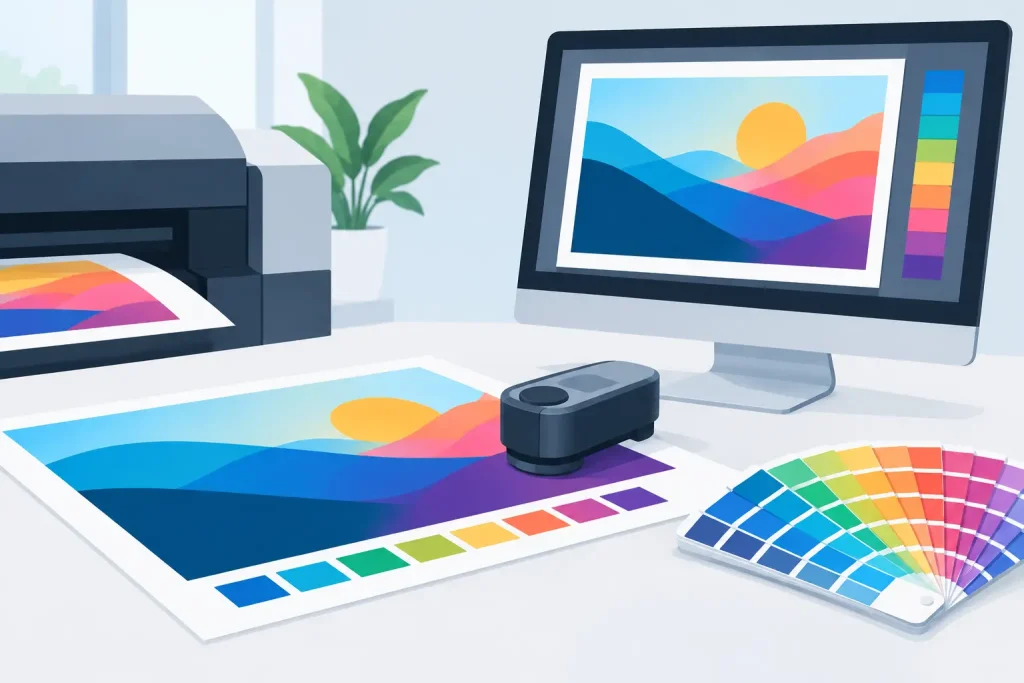
Even durable print can underperform when the artwork or finishing is not planned for production. Large-format files should be prepared at a scale and resolution suitable for viewing distance. A street-facing banner does not need the same pixel density as a close-viewed counter sticker, but it does need clear type, sufficient contrast, and images that will not soften when enlarged.
Keep critical text and logos away from hems, eyelets, trim lines, folds, and panel joins. If a banner will be tensioned, allow extra visual breathing room around the edges. For adhesive graphics, avoid relying on extremely fine text or hairline details where the installed surface is uneven or frequently cleaned.
Finishing turns a printed roll into a usable display product. Banners may need welding, hemming, eyelets, or pole pockets. Vinyl may need contour cutting, kiss cutting, lamination, or transfer tape. Printed graphics for roll-up stands, popup displays, counters, or LED light frames need accurate panel sizing and a material that suits the hardware. Ordering the print and display structure together reduces the risk of a graphic that is technically well printed but does not fit the frame or mechanism.
A Practical Specification Checklist
Before sending artwork for solvent production, confirm the intended use, finished size, quantity, material, and installation method. Also identify whether the job is indoor or outdoor, the expected campaign duration, and whether it needs lamination or special finishing.
Provide final artwork with bleed where required, include cut paths for shaped stickers, and check that brand colors, small type, QR codes, and contact details remain readable at the expected viewing distance. If the project includes multiple formats, such as a banner, roll-up stand, window decal, and counter graphic, plan the artwork for each finished size rather than stretching one layout across every application.
For business buyers managing launches, exhibitions, retail promotions, or recurring signage, solvent printing is a dependable production route when the job calls for durable vinyl graphics at large scale. Specify the material and finish around the actual environment, then match the printed graphic to the display hardware it needs to serve.
Related Posts