A printed graphic only performs as well as the structure holding it. The right display hardware keeps messaging visible, supports the correct print material, and fits the actual conditions of a retail floor, exhibition booth, roadshow, or product launch. The wrong format can create avoidable issues: unstable stands, difficult transport, poor viewing angles, or graphics that need replacing before the campaign ends.
For business buyers, the practical question is not simply which display looks best. It is which hardware format matches the campaign location, setup time, graphic size, expected foot traffic, and reuse plan. A one-day mall promotion has different requirements from a six-month retail installation. Matching the hardware and print output at the planning stage reduces rework and helps keep campaign materials consistent.
Start With the Display Environment
Display hardware should be selected around where and how it will be used. Indoor retail settings usually allow for lighter formats, while public events, entrances, and outdoor activations may require more stable bases, weighted support, or weather-suitable materials.
For a storefront, reception area, or point-of-sale campaign, roll-up stands, LED light frames, poster frames, and countertop displays provide a compact footprint. They are suitable when floor space is limited and the message needs to be updated by season, promotion, or product cycle. A light frame is particularly useful for graphics with high-resolution product photography or color-heavy artwork because illumination gives the print more presence in areas with controlled lighting.
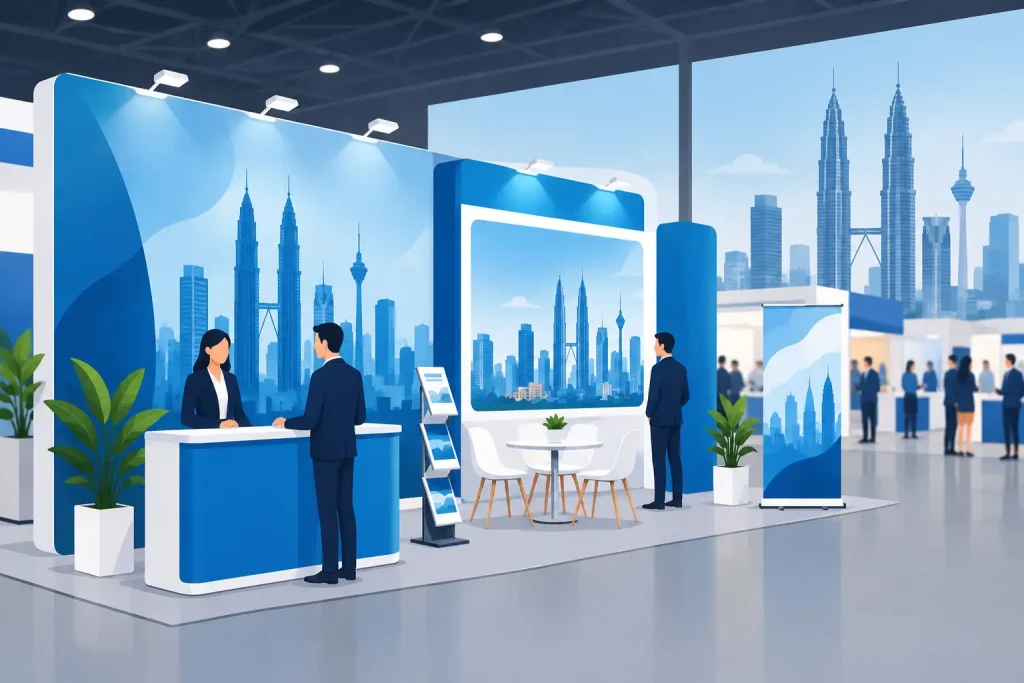
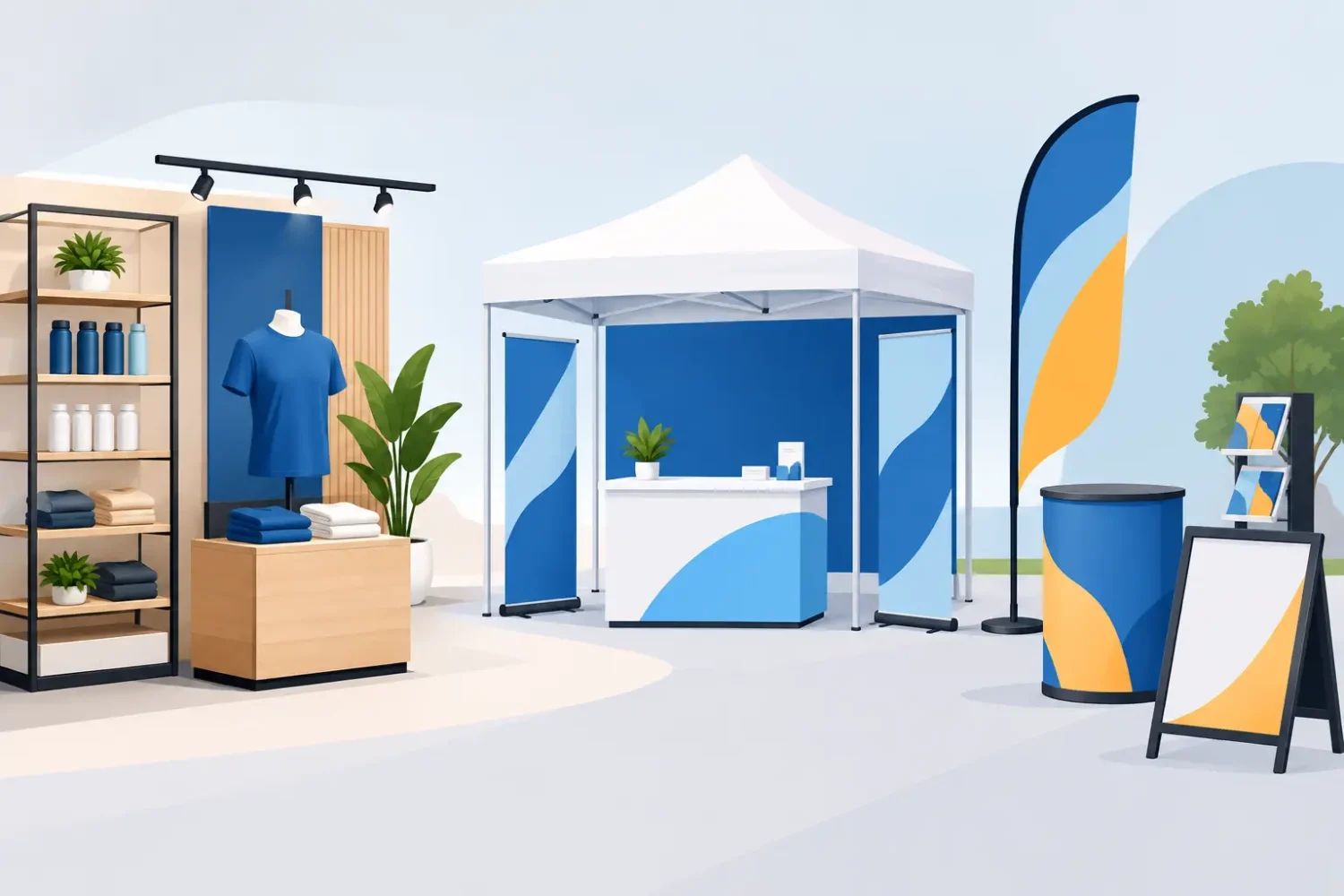
Exhibitions and larger brand activations generally need a wider visual field. Popup displays, fabric backdrops, modular frames, and large-format panels can create a clear branded zone from a distance. These formats are better suited to logos, key messages, and campaign visuals that need to remain visible above surrounding booths and foot traffic.
Outdoor applications require a more cautious approach. Beach flags are effective for entrances, roadside promotions, open-day events, and temporary activations because they are visible from multiple angles. However, base selection matters. A flag intended for hard flooring needs a different base from one used on grass or uneven surfaces. For longer outdoor use, buyers should also consider print ink, fabric type, wind exposure, and how frequently the unit will be packed down.
Common Display Hardware Formats and Their Uses
Roll-Up Stands for Fast Campaign Changes
Roll-up stands remain a standard choice for sales counters, meeting rooms, training sessions, retail promotions, and event registration areas. The graphic rolls into the base for storage and transport, making the system practical for teams that move between sites.
The trade-off is visual scale. A roll-up stand is efficient, but it is not intended to replace a full exhibition wall or wide product presentation. Use it for a focused message: a product offer, service list, event direction, QR code, or campaign headline. If the message becomes too detailed, the viewing distance works against it.
Choose the stand grade based on expected reuse. A short campaign may only need a standard unit, while frequently deployed sales or event materials benefit from stronger mechanisms and better base stability. Ask whether replacement graphics can be produced for the same hardware, especially when a campaign framework will remain in place while promotions change.
Popup Displays and Backdrops for Larger Branding
Popup displays are designed for wider brand presentation. They work well behind a registration desk, inside exhibition booths, at press walls, and for photo opportunities. Their advantage is coverage: one large continuous visual has more impact than several separate stands placed side by side.
These systems require planning for transport and assembly. Before ordering, confirm the available setup area, ceiling restrictions, storage space, and whether the event team can install the frame without specialist assistance. For campaigns with frequent artwork updates, fabric or magnetic graphic systems can be more practical than replacing an entire display.
A backdrop should also be designed for its viewing purpose. A photo wall needs clear logo spacing and repeated brand marks. A product demonstration backdrop may need larger images, fewer words, and room for products or presenters in front of the graphic.
Counters, KT Board Stands, and Point-of-Sale Units
Promotional counters combine branding with function. They give sampling teams, registration staff, and product demonstrators a working surface while displaying the campaign message at eye level. This makes them useful for retail activations and roadshows where staff need somewhere to hold brochures, small products, or sign-up devices.
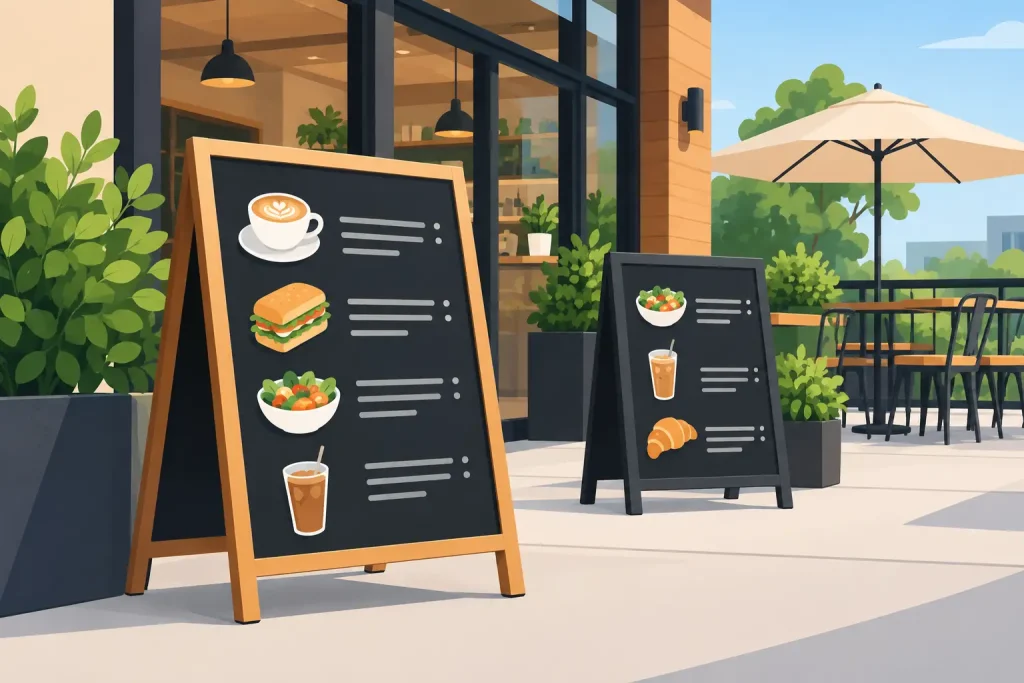
KT board stands and rigid panel displays are suitable for menus, directional signage, pricing boards, promotional notices, and short-term in-store communication. They are straightforward to produce and can be cut or mounted to suit the installation. Their limitation is durability. Rigid board formats are best selected with realistic expectations about handling, moisture exposure, and long-term storage.
For a campaign that changes frequently, use a permanent frame or stand with replaceable printed inserts. For a one-off launch, a mounted board may be the more economical choice. The best option depends on whether the structure or the message has the longer service life.
LED Light Frames and Retail Frames
LED light frames are built for visibility in retail, hospitality, showrooms, and internal corporate spaces. They suit graphics where color, detail, and premium presentation are central to the campaign. Cosmetics, property launches, food visuals, automotive imagery, and fashion promotions are common examples.
The graphic material must be selected for backlit use. Standard front-lit media may look uneven or washed out once illuminated. Artwork also needs adjusted density and color control so dark areas, skin tones, gradients, and brand colors reproduce correctly under light.
Wooden and aluminum frames offer a different approach. They provide a more fixed, finished presentation for posters, brand panels, certificates, menus, and retail graphics. Aluminum usually suits modern commercial interiors and repeated graphic updates, while wooden frames may fit hospitality, lifestyle, or design-led spaces. Frame choice should support the environment rather than compete with the artwork.
Match Print Production to the Hardware
Hardware and print production should be specified together. A well-built frame cannot correct a graphic printed on an unsuitable substrate, and a premium print will not compensate for a display that is too small, unstable, or poorly located.
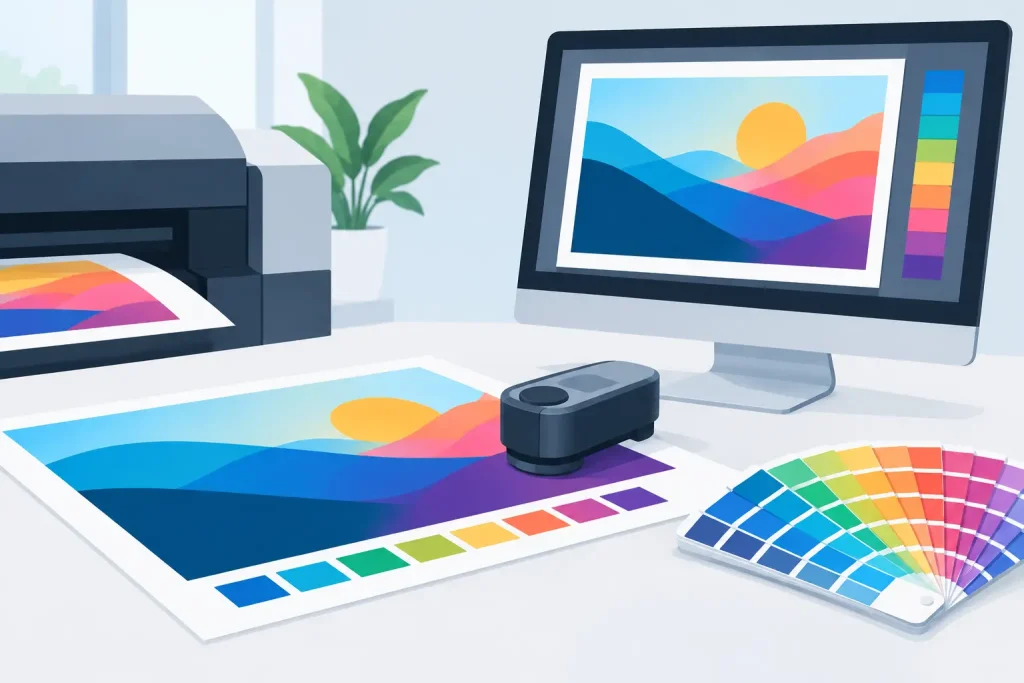
Solvent and eco-solvent printing are often used for signage and display graphics where color durability and broad media compatibility are required. UV printing is useful for direct printing on rigid materials and specialty substrates. Latex printing can suit applications that need fast turnaround and strong color output across different media. Dye sublimation is commonly selected for fabric displays, including textile backdrops and flags, where the graphic needs flexibility and a softer finish.
Print resolution should match viewing distance. Fine details and small text matter on close-range counter displays. Large backdrops and elevated banners are typically viewed from farther away, so the artwork should prioritize large type, high-contrast messaging, and clear images rather than dense copy.
Finishing also affects installation. Lamination, hemming, pole pockets, silicone edging, eyelets, mounting, and contour cutting are not minor add-ons. They determine whether the print fits the hardware, hangs correctly, and withstands normal use. Confirm dimensions and finishing requirements before sending artwork to production.
Plan for Reuse, Storage, and Graphic Replacement
The purchase price is only one part of the decision. A reusable display system can reduce costs across repeat campaigns, but only if it is stored and handled properly. Keep roll-up stands in their bags, protect frame components, label replacement graphics, and avoid folding materials that were designed to remain flat.
For marketing teams running regular promotions, it is useful to standardize a small group of formats. For example, one roll-up size for branch campaigns, one counter type for activations, one popup wall for exhibitions, and one frame system for retail visuals. Standard sizes make artwork setup faster and reduce ordering mistakes.
It also helps to keep campaign elements separate. The hardware may be used for years, while printed graphics may change every month. Ordering them from one display and print supplier simplifies size matching, finishing checks, and replacement planning.
Questions to Confirm Before Ordering Display Hardware
Before approving production, confirm the display location, visible area, final graphic size, setup surface, expected campaign duration, transport method, and storage plan. Check whether the hardware includes a carry bag, base, poles, connectors, or mounting accessories. If it is a replacement print, verify the existing hardware model and the exact finishing method required.
Artwork should be supplied at the correct scale with clear margins around edges, pockets, and frame areas. Keep essential text, logos, prices, and QR codes away from trim lines. A graphic can look correct on screen but lose important details when it is stretched, inserted, or trimmed during finishing.
The most effective display setup is usually not the largest or most expensive one. It is the format that can be installed correctly, seen by the intended audience, and updated without disrupting the next campaign. Choose display hardware as part of the full production requirement, not as an afterthought once the graphics are already designed.
Related Posts