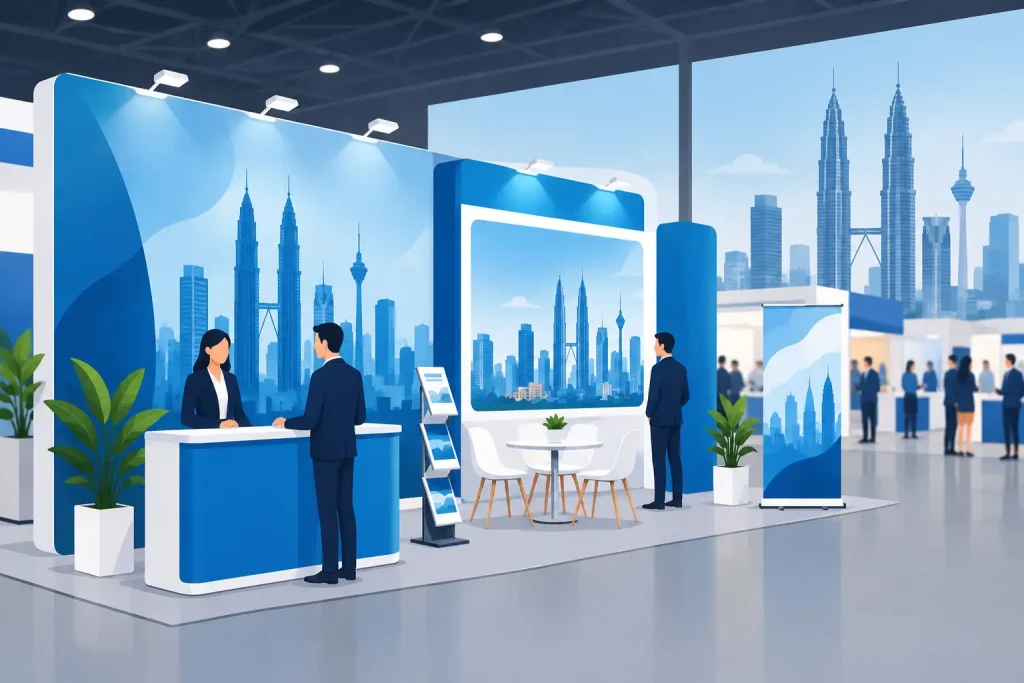
A launch booth with a sharp backdrop can still fail if the counter arrives without graphics, the banner stand is the wrong size, or the print finish does not suit the venue lighting. That is why selecting an event display supplier Klang businesses can work with is not only about finding a low unit price. The supplier needs to match the display format, hardware, print method, material, and production schedule to the job.
For trade shows, roadshows, retail campaigns, corporate functions, and product launches, visual materials are usually ordered under time pressure. A practical supplier reduces the number of separate orders required. Instead of buying stands from one company, banners from another, and mounted boards from a third, buyers can coordinate hardware and printed graphics as one display package.
What to Check Before Ordering Event Displays
Start with the event environment. An indoor exhibition hall, a mall atrium, an outdoor activation, and a retail storefront place different demands on the display. The right product is not always the largest or most expensive option. It is the format that remains visible, stable, and easy to install at the intended location.
For example, a roll-up stand works well when the setup team needs a compact display that can be carried in and installed quickly. A popup display provides a larger branded wall for a booth or photo area. Beach flags are suitable for drawing attention in open spaces, but they need an appropriate base and should be evaluated carefully when wind exposure is expected. LED light frames are useful where graphics need stronger visibility, particularly in retail or indoor promotional settings.
Before requesting a quote, confirm the available floor area, height restrictions, loading access, event rules, and whether power is available. These details affect the display type and prevent avoidable revisions after production has started.
Hardware and Graphics Should Be Specified Together
A display system is made up of more than the printed artwork. The stand, frame, base, banner material, mounting method, and finishing all affect the result. Buying the hardware and graphics separately can create problems when dimensions, fittings, or finishing allowances do not match.
For roll-up banners, confirm the exact visible graphic size and whether the artwork requires bleed at the top or bottom for installation into the cassette. For popup systems, confirm the panel configuration, magnetic strips, and whether replacement panels can be supplied for future campaigns. For frames and light boxes, check the fabric, film, or board material required by the system.
A supplier should be able to clarify whether the printed graphic is replaceable, whether the stand is intended for repeated use, and what packaging or carrying case is included. This matters for marketing teams that will reuse the hardware for multiple locations or seasonal promotions.
Event Display Supplier Klang: Match the Format to the Job
Standard display formats cover most commercial event needs, but each serves a different purpose. Choosing by appearance alone can lead to oversized equipment, weak visibility, or unnecessary transport cost.
Roll-up stands are a practical choice for registration counters, product features, directional messaging, and small booth spaces. They are fast to deploy and easy to move between branches or event venues. PVC roll-up options are commonly selected for general indoor use, while higher-end hardware may be worthwhile for frequent setup and takedown.
Popup displays are suited to presentations that need a complete branded background. They are often used behind product demonstrations, media walls, stage areas, and exhibition booths. Their larger graphic area makes artwork quality more noticeable. Low-resolution logos, heavily compressed photos, and poorly prepared black backgrounds can become obvious at this scale.
Promotional counters combine a work surface with a printed message. They are useful for sampling, lead collection, brochures, POS transactions, and product demonstrations. Check whether the counter includes storage, a top panel, and a printed front graphic. A counter may look like a small item in a layout plan, but it often becomes the most-used piece of hardware during an activation.
Beach flags, barricade displays, and freestanding board stands handle visibility in spaces where people are moving rather than standing still. A beach flag can direct traffic toward an entrance or promotion zone. Barricade displays turn crowd-control barriers into advertising space. KT board stands offer a simple option for temporary price messages, directional signs, and campaign notices.
Aluminum frames, wooden frames, and LED light frames are more appropriate where the display needs a finished retail look or longer-term placement. The trade-off is usually more planning for sizing, wall position, installation, and graphic replacement. For short events, portable hardware may be the more efficient choice. For a recurring in-store campaign, a framed solution can be more economical over time.
Print Method and Material Affect the Final Result
The same design can look different depending on the print process and substrate. Buyers should select print production based on viewing distance, durability requirements, color expectation, and installation conditions rather than choosing by price alone.
Eco-solvent and solvent printing are widely used for banners, vinyl graphics, and display materials where color output and practical durability are required. UV printing is useful for rigid boards and selected specialty materials, offering direct print capability for display applications. Latex printing can suit projects that require high-quality graphics for indoor environments, while dye sublimation is commonly used for fabric-based displays and soft signage.
Material selection also needs to match the product. PP white is often used for posters and promotional graphics. Synthetic materials can be useful where greater resistance to handling is required. Transparent, hologram, matt silver, and Mirrorkote sticker materials each create a different visual effect and should be chosen for a specific purpose, not simply because they stand out.
Ask for a material recommendation when the project includes unusual lighting, direct sun, frequent handling, or a premium retail finish. A metallic or transparent sticker may be effective on the right surface but can reduce readability if the artwork does not account for the background. Similarly, a fabric graphic may reduce glare in a photo area, while a rigid board may be better for a sign that must remain flat and self-supporting.
Prepare Artwork for Production, Not Just Approval
An approved visual on a laptop is not automatically ready for large-format printing. Supply artwork at the final display size where possible, with images of sufficient resolution for the intended viewing distance. Vector logos and text produce cleaner results than small raster files that have been enlarged.
Keep critical logos, prices, QR codes, and contact information away from edges, folds, frame channels, and hardware fittings. For a roll-up banner, avoid placing key copy too low where it may be hidden by the base. For a popup display, do not place faces or fine text across panel joins. For counters, account for the front curve or panel divisions before finalizing the layout.
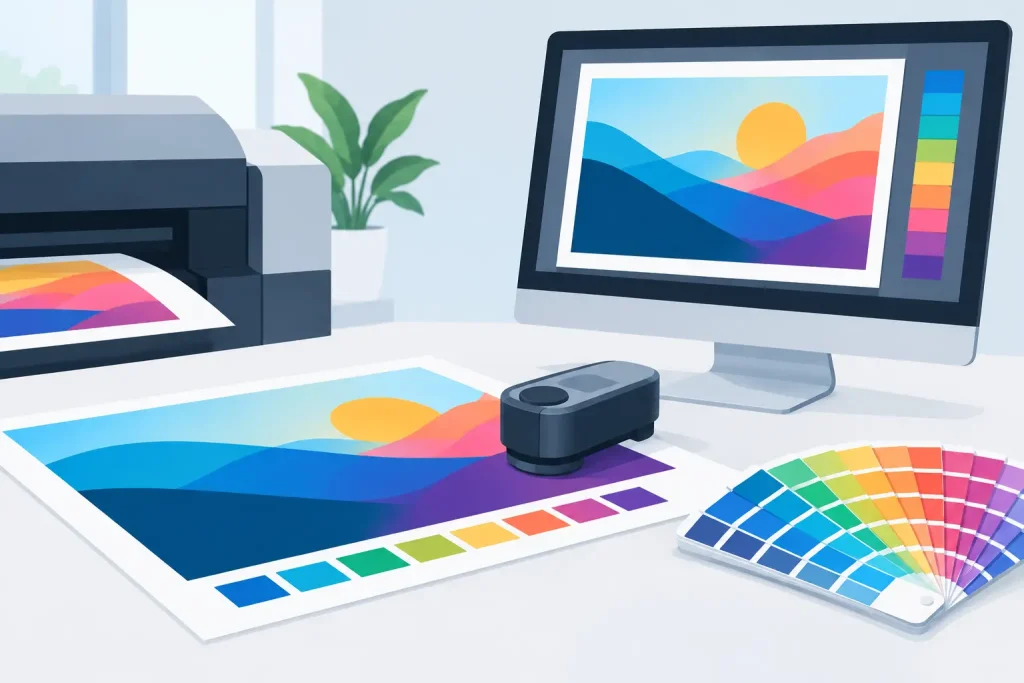
Color should also be managed realistically. Screen colors, office printers, and large-format production equipment do not always reproduce artwork in the same way. If a campaign depends on a specific brand shade, provide the correct color reference and discuss whether a proof is needed. This is particularly relevant for corporate launches, franchise materials, and product packaging displays where color consistency is reviewed closely.
Plan the Order Around Installation and Reuse
A good display order accounts for what happens after delivery. Consider who will install the items, how they will be transported, and whether they need to be packed down after each event. A large backdrop that looks effective in a showroom may be impractical if a two-person marketing team must move it through a mall loading bay.
For repeat campaigns, retain the hardware and replace only the graphics when the message changes. This approach can lower future campaign costs and gives the team a familiar setup process. It works especially well for roll-up stands, popup systems, counters, selected frames, and fabric display products designed for graphic replacement.
It is also useful to order a small number of spare items for high-traffic campaigns. Replacement banners, extra board signs, or backup sticker graphics can prevent a damaged display from affecting a multi-day event. The appropriate quantity depends on the campaign scale, number of locations, and how difficult it would be to produce a replacement during the event period.
Use One Supplier for a More Controlled Display Package
When a campaign includes multiple formats, coordination matters as much as the individual products. A booth may need a backdrop, two roll-up stands, a counter, directional board signs, window stickers, and printed handouts. If every item is ordered separately, artwork versions, colors, timing, and finishing can drift apart.
A supplier with both display hardware and large-format print capability can review the package as a whole. My Inkjet supports buyers who need standard display systems, printed graphics, specialty stickers, mounting options, and production methods matched to commercial use. This is useful when one campaign needs several formats but must still look consistent on the event floor.
Choose the display based on its working role: attract attention, explain an offer, direct visitors, support staff activity, or create a branded background. Once that role is clear, the right hardware, material, and print method become easier to specify – and the finished display is far more likely to perform properly when the event opens.
Related Posts