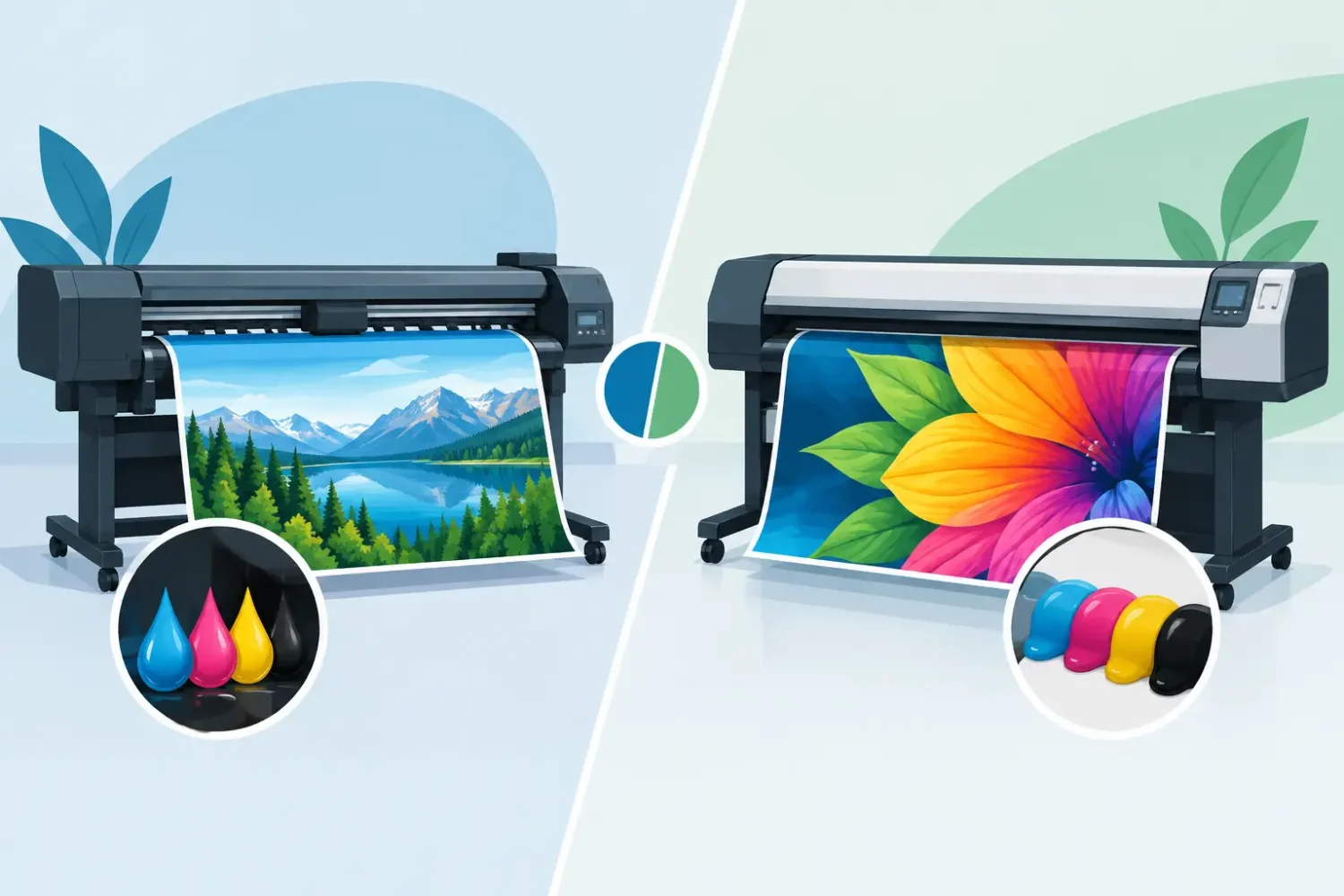
A roll-up banner for a three-day trade show and a storefront graphic expected to face rain for two years should not automatically use the same print process. Solvent versus latex printing is a production decision that affects media choice, odor, finishing time, color appearance, durability, and the practical cost of a campaign.
For business buyers ordering banners, window graphics, PVC signage, display walls, and point-of-sale materials, the right choice starts with where the graphic will be installed and how it will be used. Neither method is universally better. Each suits particular materials, timelines, and display environments.
Solvent Versus Latex Printing: The Core Difference
Solvent printing uses inks with solvents that soften or etch into the coating of compatible vinyl and banner media. As the carrier evaporates, the pigment remains embedded in the surface. This gives solvent print a long-standing role in outdoor signage, vehicle graphics, self-adhesive vinyl, and PVC banner production.
Latex printing uses water-based inks containing latex polymer particles and pigments. Heat evaporates the water and activates the polymers, which form a durable printed layer on the media. The process is designed for lower odor output and can produce graphics that are ready for handling soon after printing, provided the media has been printed at the correct temperature and profile.
The names describe the ink technology, but the finished result also depends on the printer, ink set, material coating, resolution, color profile, and finishing method. A good print method cannot compensate for an unsuitable material. For example, a low-cost adhesive film may still shrink, lift, or show texture regardless of the ink technology used.
Where Solvent Printing Fits Best
Solvent and eco-solvent printing remain practical choices for many exterior applications. They are widely used with PVC banner, adhesive vinyl, one-way vision film, and other flexible sign media. When a campaign needs weather exposure, strong adhesion to a compatible vinyl surface, and dependable outdoor service, solvent-based production is often a sensible option.
For large outdoor banners, fence graphics, roadside promotional signs, and temporary construction branding, the key advantages are familiarity, media availability, and outdoor performance. Solvent print can also be a cost-effective choice when the job involves high volumes of standard banner or vinyl material.
There are trade-offs. Traditional solvent printing may have a stronger odor during production, and printed material can require time to dry or outgas before lamination. Rushing this stage can trap residual solvents under the laminate, which may lead to silvering, bubbles, or reduced adhesive performance. This matters especially for laminated stickers, vehicle graphics, and mounted display panels where a clean finish is required.
Eco-solvent printing generally reduces odor and solvent load compared with full-solvent systems, but it is still a solvent-based process. Buyers should avoid treating eco-solvent and latex as interchangeable simply because both can print on vinyl. Production schedules, post-print handling, and material behavior can differ.
Where Latex Printing Fits Best
Latex printing is a strong option for indoor retail graphics, exhibition panels, wall coverings, window displays, backdrops, and promotional materials used in enclosed spaces. Its lower odor profile is useful when prints will be installed in malls, offices, showrooms, hospitals, schools, restaurants, or event venues where people are close to the graphics.
The ability to finish and install prints quickly is another practical benefit. For campaign work with short lead times, latex can reduce the wait between printing, laminating, trimming, and mounting. It is well suited to retail rollouts where printed graphics must move quickly from production to multiple locations.
Latex also produces sharp color and solid image quality across many coated and uncoated media. It can be used for banners, adhesive films, paper-based posters, textile-like materials, and selected rigid-display applications when mounted after printing. For roll-up stand graphics, popup display panels, LED light frame inserts, and indoor branding, it is often chosen for its clean handling and suitable indoor characteristics.
Its main limitation is heat. Latex printers cure ink using elevated temperatures, so a heat-sensitive film may distort, ripple, or perform poorly if the wrong media is selected. The printer profile, platen temperature, and media tension must be managed correctly. Latex equipment can also have higher energy demands because heat is part of the curing process.
Compare the Print Method to the Application
The most useful comparison is not ink against ink. It is application against application.
For an outdoor PVC banner used for a sale, roadshow, or site promotion, solvent or eco-solvent printing is commonly a practical match. The banner material is compatible, the job is typically short to medium term, and slight production odor is rarely an issue once the banner is installed outdoors.
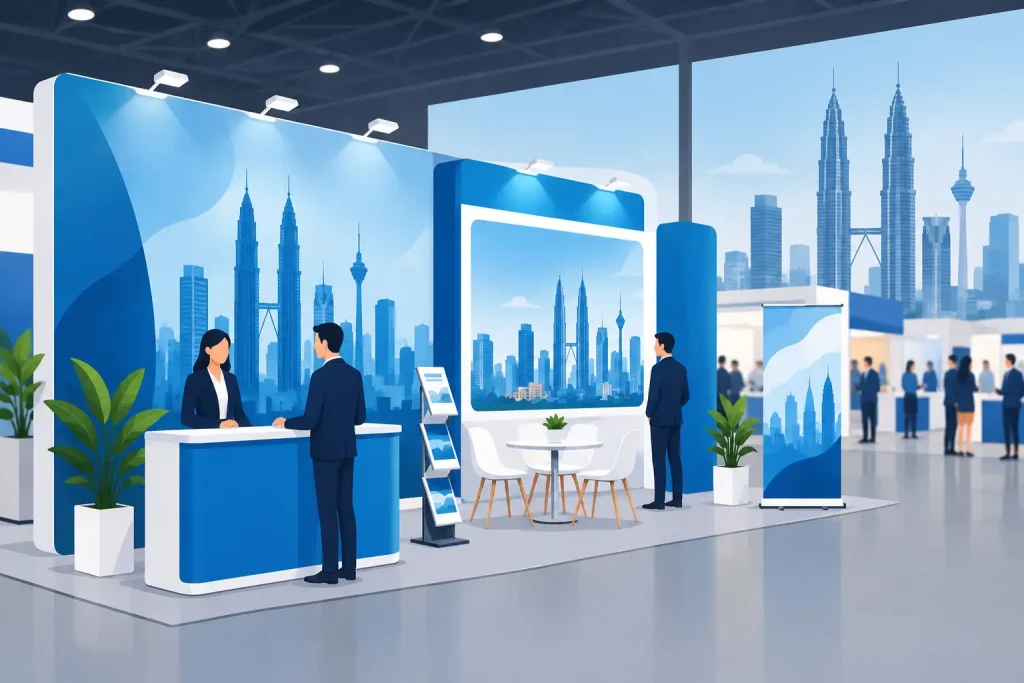
For a retail wall graphic or window promotion installed overnight inside a shopping center, latex is often the easier route. It supports fast handling, lower odor, and a comfortable fit for enclosed customer-facing spaces. The same applies to indoor event backdrops, exhibition wall panels, and branded counters where visitors stand close to the printed surface.
For vehicle decals and long-term external graphics, the decision requires more detail. Solvent printing on a premium cast vinyl with the correct overlaminate remains a proven specification. Latex can also perform well on compatible vehicle-grade media, but the full system must be approved for that use. Ask for the intended lifespan, surface type, expected weather exposure, and whether the graphic will be laminated.
For roll-up banners and popup displays, viewing distance and handling matter more than extreme outdoor durability. A smooth, flat media with suitable curl resistance is usually more important than choosing a process based only on ink type. Latex is often preferred for fast indoor display production, while solvent remains suitable when using compatible banner films and the schedule allows proper finishing.
Durability Is More Than an Ink Claim
A print described as durable is not necessarily abrasion-proof, UV-proof, waterproof, or suitable for every surface. Outdoor life changes with sun exposure, rain, heat, pollution, installation angle, and the quality of the substrate. A south-facing storefront in direct sun places very different demands on a graphic than a sheltered indoor window.
Lamination adds protection against scratches, cleaning, moisture, and UV exposure. It is particularly worthwhile for frequently handled stickers, floor graphics, counter wraps, vehicle decals, and retail panels that will be wiped down. However, lamination is not required for every banner or temporary event graphic. Adding it where it is unnecessary increases cost and turnaround without improving the actual use case.
Finishing also affects the final result. Hemmed banners need appropriate reinforcement for wind load. Adhesive graphics need clean trimming and suitable application conditions. Mounted prints need a stable board, such as foam PVC or KT board, when flat presentation is required. The ink method is one part of the specification, not the entire specification.
Cost, Turnaround, and Color Expectations
Unit price should be evaluated alongside production time and installation risk. Solvent printing may be competitively priced for standard vinyl and banner volume, but drying or outgassing time can affect a rush laminated job. Latex may support faster finishing, which can reduce pressure on a tight retail launch or event deadline.
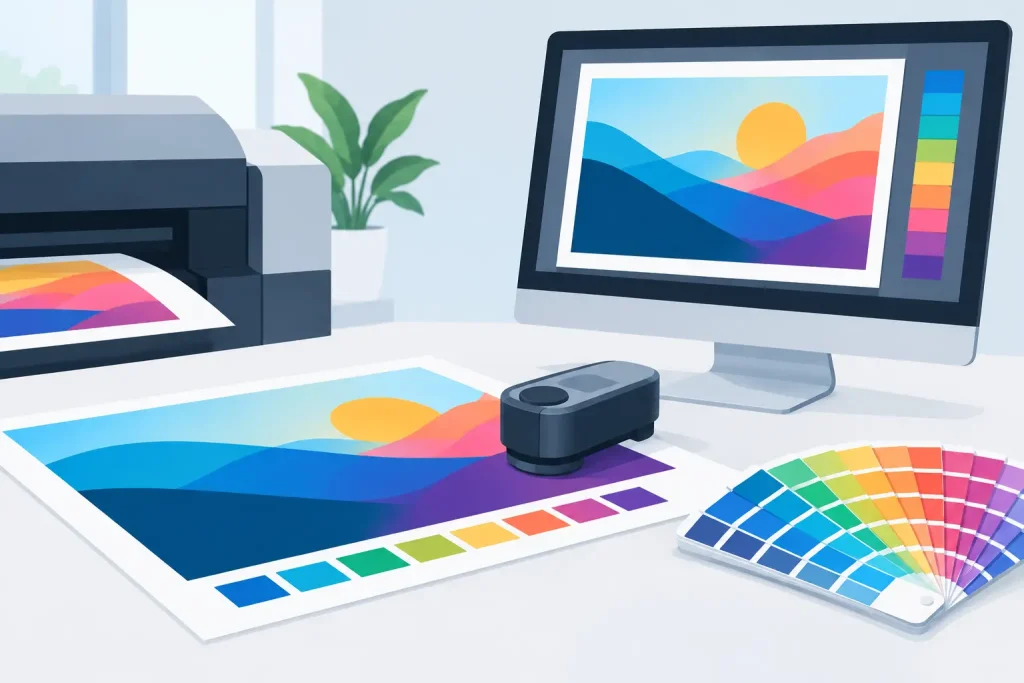
Color expectations should be discussed before production when the job includes corporate colors, product photography, or a display system viewed under LED lighting. Both solvent and latex can achieve professional results, but color varies by media. A gloss vinyl, matte PVC banner, fabric-look display film, and backlit material will not reflect light in the same way even if they use the same artwork file.
For critical branding, supply the correct logo files, specify Pantone references where applicable, and request a proof or sample when the quantity and campaign value justify it. This is especially useful for repeat orders across roll-up stands, popup displays, LED light frames, and retail graphics.
Specify the Result, Not Just the Ink
The fastest way to get the correct production recommendation is to provide the display format, finished size, installation location, campaign duration, material preference, and deadline. State whether the print will be laminated, mounted, folded, rolled, or fitted into hardware. A banner for a barricade, a transparent window sticker, and a light frame graphic may all use different material and finishing specifications even when the artwork is identical.
Choose solvent when proven outdoor vinyl and banner performance is the priority and the schedule allows proper post-print handling. Choose latex when lower odor, quick finishing, and indoor retail or event use are central to the order. When the application sits between those cases, the media specification and final installation conditions should make the decision. The best print is the one that arrives in the right format, installs cleanly, and remains fit for the full life of the campaign.
Related Posts